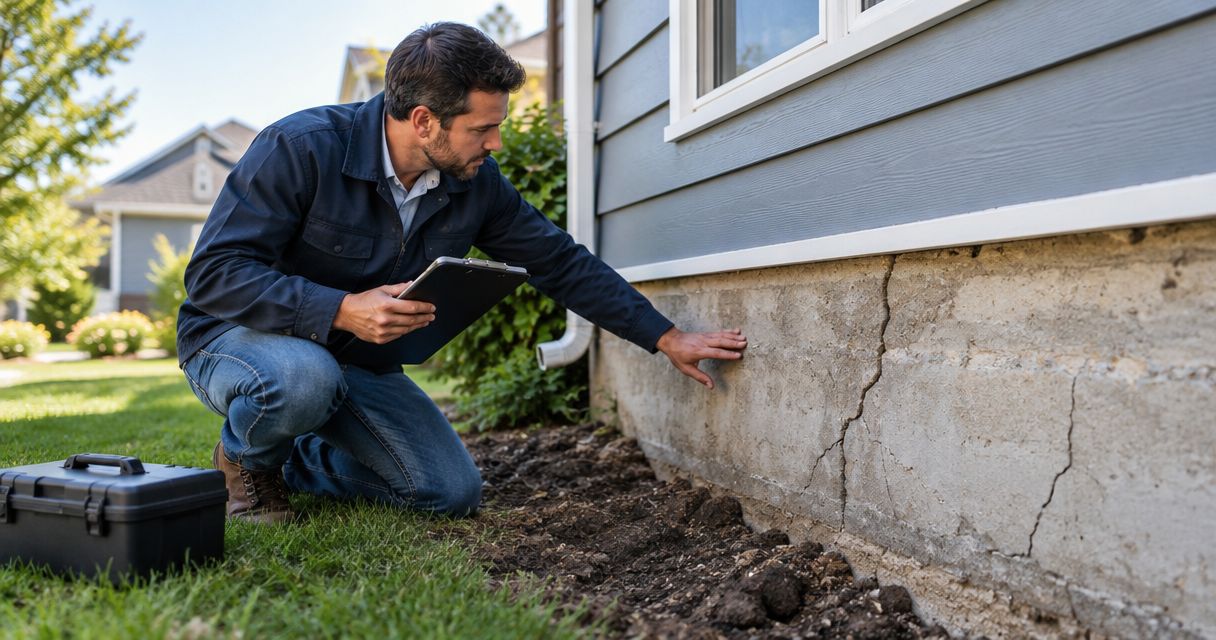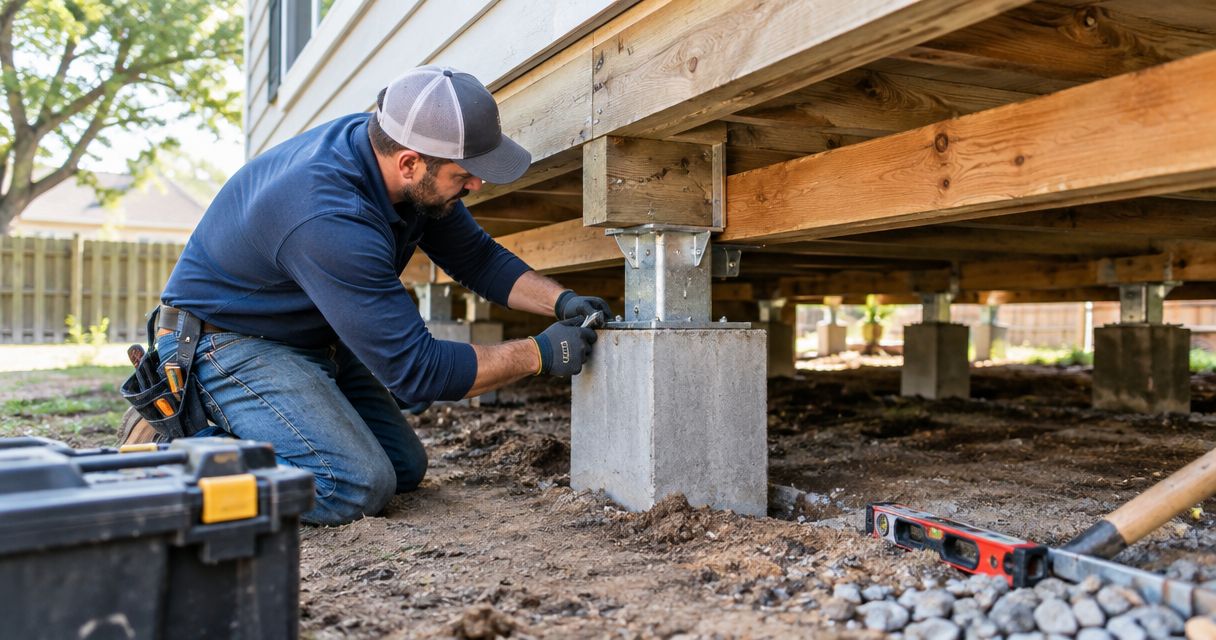
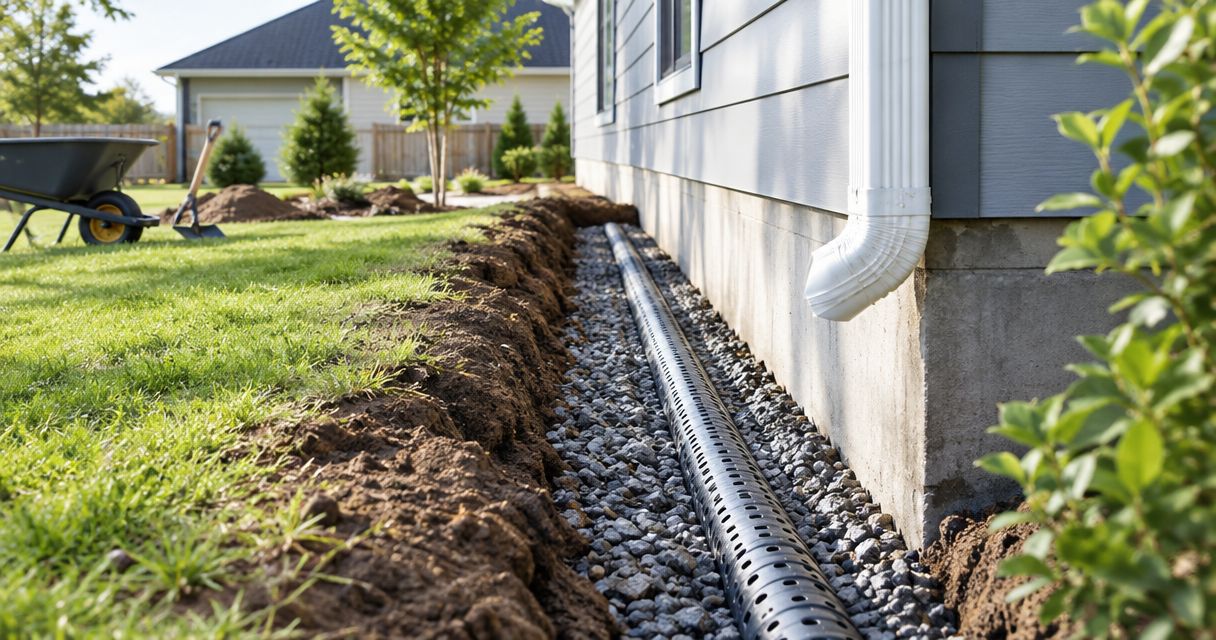
Rental property owners’ French drain systems are gravel-filled trenches with perforated pipe that collect subsurface water and direct it toward a suitable outlet to manage wet ground around a rental home. This 2026 guide explains how to assess a Dallas–Fort Worth property, coordinate work around tenants, and distinguish drainage needs from foundation repair needs.
- French drains for rental property owners address subsurface water; surface runoff can require a different drainage solution.
- Criss Cross Construction serves DFW residential owners seeking drainage and foundation repair services.
- Confirm the water source and discharge route before approving excavation.
- Include tenant access, yard restoration, and maintenance access in the written scope.
Why French drains matter for rental property owners
A rental owner needs more than a dry-looking yard. You need a drainage plan that tenants can live around, maintenance staff can understand, and future contractors can inspect without guessing where pipes run.
A French drain collects water moving through the ground. It is not automatically the right answer for roof runoff, a leaking supply line, or water flowing across a driveway. Match the system to the water source before choosing a trench location.
Criss Cross Construction is best suited to DFW residential property owners seeking drainage and foundation repair services. Start with a free on-site estimate from Criss Cross Construction when wet ground occurs alongside concerns about the house itself. Drainage work and structural repairs address different problems; neither should be assumed to replace the other.
For an occupied rental, the written scope also needs to explain how residents will reach entrances, use outdoor areas, and report concerns during construction.
Plan the work before approving excavation
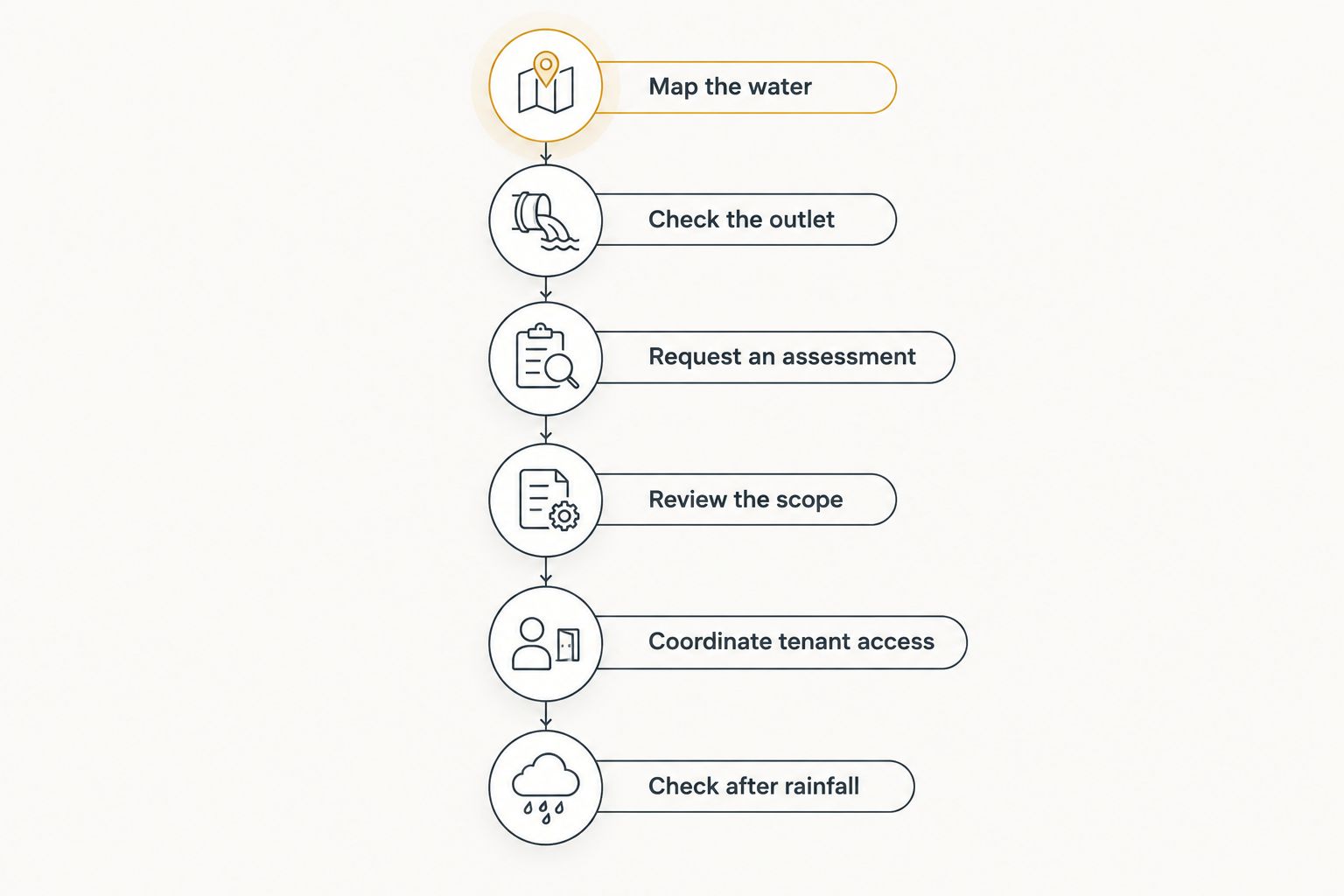
Use this sequence for your 2026 drainage project: document the water, check the outlet, request an assessment, review the scope, coordinate access, and inspect performance afterward. Keep the findings in the property’s maintenance record rather than relying on messages scattered across tenant conversations.
1. Map the water
Start with observation, not digging. Ask your tenant where water appears, whether it follows rainfall, and whether the same area stays wet during dry weather. Persistent wetness without rain deserves a separate investigation rather than an automatic French drain recommendation.
Create a repeatable photo record. As a practical starting point, request 3 photos per affected area: a wide view, the wet area itself, and the nearby foundation or walking route. These are documentation instructions, not a drainage design standard.
Note how water reaches the problem area. Overflowing gutters, downspouts discharging beside the house, and irrigation overspray need attention at their sources. A buried drain should not become the default response to every wet spot.
- Mark recurring wet areas on a simple property sketch.
- Photograph downspout discharge points and nearby ground.
- Record whether water crosses a tenant’s entrance or walkway.
- Separate rainfall reports from dry-weather wetness.
- Keep dated observations in the property maintenance file.
2. Check the outlet
A French drain needs somewhere appropriate to discharge. A trench filled with gravel does not solve a drainage problem if collected water has no suitable destination. Confirm the receiving location and the available fall before discussing finishes or landscaping.
Walk the proposed route with the contractor. Ask how the outlet will remain accessible and how the design avoids transferring the problem to another part of your property or a neighboring lot. Confirm applicable municipal requirements before approving discharge arrangements.
French drains typically collect subsurface water through perforated pipe. Conveyance sections can serve a different purpose, so ask the contractor to identify which sections collect water and which carry it away. The French drain installation methods guide provides a useful comparison before you review a proposal.
- Identify the proposed collection area and discharge point.
- Ask how the contractor will confirm adequate fall.
- Check for property boundaries and shared drainage features.
- Confirm utility locating before excavation begins.
- Ask how the outlet will be inspected and maintained.
3. Request an assessment
Your observations give the contractor a starting point, not a final diagnosis. Request an on-site assessment that considers roof water, surface grading, subsurface moisture, and visible concerns around the foundation. Ask what evidence supports the proposed system.
Criss Cross Construction provides drainage and foundation repair services for residential owners in DFW. For a rental with wet ground and signs of movement, request an assessment that considers both concerns. Do not treat a French drain as a substitute for diagnosing foundation movement.
The limitation matters: no drainage proposal should promise to correct every crack, sticking door, or uneven floor simply by moving water. Ask which observations require a separate structural evaluation and which belong in the drainage scope.
- Share your photos and the tenant’s rainfall observations.
- Point out recurring wet areas and known plumbing concerns.
- Show the contractor cracks, sticking doors, or uneven floors.
- Ask why a French drain fits better than surface collection.
- Request a free on-site estimate with a written scope.
4. Review the scope
Compare proposals by what they include, not by whether they all say French drain. Your 2026 project file should explain the collection route, pipe function, outlet, maintenance access, and restoration work. A clear drawing is more useful than a vague promise to improve drainage.
Ask the contractor to describe the filter arrangement around the drainage aggregate and how it suits the site. Also confirm how excavation will affect existing irrigation, landscaping, paving, and access beside the house. Do not assume those repairs are included.
For a rental, restoration is part of usability. An unfinished walking route or an unexplained change in ground level creates a separate management issue even after pipe installation is complete.
- Request a drawing showing the route and outlet.
- Identify collection pipe, conveyance pipe, and access points.
- Confirm the proposed aggregate and filtration arrangement.
- List irrigation, landscaping, and paving restoration responsibilities.
- Define cleanup and completion requirements in writing.
- Ask what maintenance instructions you will receive.
5. Coordinate tenant access
Plan tenant communication before work starts. Explain which areas will be affected, how residents should enter the home, and whom they should contact with a concern. Follow the lease and applicable notice requirements rather than inventing a universal notice period.
Keep 1 shared project record per property with the approved scope, tenant communications, and completion photos. This is a suggested management practice, not a legal recordkeeping requirement. It helps prevent instructions from changing between the owner, manager, tenant, and contractor.
Confirm arrangements for pets, gates, parked vehicles, and outdoor belongings. Ask the contractor how excavated areas will be secured and how residents will receive updates if access arrangements change.
- Send a written explanation of the affected outdoor areas.
- Confirm the tenant’s usable entrance and walking route.
- Identify who will unlock gates and move outdoor items.
- Agree on pet and vehicle arrangements.
- Assign one owner or manager as the project contact.
- Document any agreed changes to the work area.
6. Check after rainfall
Check the completed work during rainfall, not only on installation day. For your initial follow-up, document 2 rain events using the same photo locations recorded before construction. That is a practical observation plan, not proof that the system will perform under every storm condition.
Your 2026 maintenance record should show whether the original wet area improves, whether water reaches the intended outlet, and whether new ponding appears elsewhere. Follow the contractor’s maintenance instructions and report concerns with photos and dates.
Keep leaves, soil, and landscaping material away from accessible openings. Before future fence, irrigation, or concrete work, show the next contractor the drainage route so the buried system is not treated as an unknown obstacle.
- Photograph the original problem area after rainfall.
- Check accessible outlets without entering unsafe areas.
- Look for new ponding along the installed route.
- Record debris or soil blocking an opening.
- Save the final route drawing and completion photos.
- Contact the contractor when observed drainage differs from the scope.
Schedule Your Free On-Site Estimate
Discuss drainage and foundation concerns at your DFW residential rental property.
Compare drainage options for your rental
Choose the option that matches how water reaches the property. French drains, surface inlets, grading, and downspout routing solve different parts of a drainage problem. A property can need a combination rather than a single buried pipe.
Use the table to question a recommendation, not to design a system without a site assessment. The outlet and site conditions determine whether an option is practical.
| Option | Best for | Main advantage | Key limitation |
|---|---|---|---|
| French drain | Recurring subsurface wetness | Collects water moving through surrounding ground | Needs a suitable outlet and a site-appropriate filter arrangement |
| Catch basin with solid pipe | Surface water gathering at a defined low point | Collects runoff through an accessible inlet | Debris can obstruct the inlet; it does not collect subsurface water along the pipe |
| Downspout routing | Roof water discharged beside the house | Addresses a concentrated water source | Does not resolve unrelated yard or subsurface drainage problems |
| Surface grading | Ground directing runoff toward the house | Changes the path of surface flow | Limited by property elevations, boundaries, and existing improvements |
| Combined drainage plan | More than one identified water source | Matches collection methods to separate problems | Requires clear coordination of routes, outlets, and maintenance |
Start by correcting an identified source where practical. If a downspout empties into the affected area, ask how redirecting that roof water fits the plan before approving a larger collection system.
Avoid these rental-property mistakes
Approving a drain from tenant photos alone
Photos establish what the tenant sees, not the underground conditions or available outlet. Use them to prepare for an on-site assessment. Ask the contractor to explain the diagnosis before you approve the work.
Treating every wet area as foundation failure
Wet ground and structural movement are separate observations that need appropriate evaluation. Equally, installing drainage does not establish that an existing foundation concern has been resolved. Keep each diagnosis and proposed repair clear in the written scope.
Leaving restoration out of the agreement
Rental owners need to know who restores walking routes, irrigation, and disturbed landscaping. Document the finish condition before excavation. Otherwise, a drainage project can end with unresolved work that affects the tenant’s use of the property.
Losing the buried-system record
A finished yard hides the drainage route. Save a final drawing and installation photos before the trench is covered, where practical. Share that information before later digging or concrete work.
FAQ
Are French drains a good choice for a DFW rental property?
French drains suit rental properties with a confirmed subsurface water problem and a suitable discharge route. Surface runoff, roof water, and plumbing leaks require assessment because they can need different solutions.
Is a French drain better than a catch basin?
A French drain is better suited to collecting subsurface water, while a catch basin collects surface runoff at an inlet. Choose based on how water reaches the affected area, not the name of the system.
Will a French drain fix foundation cracks?
A French drain is not a structural crack repair. Drainage work manages water, while foundation cracks and movement require their own assessment and repair recommendations.
Can tenants stay in the house during drainage work?
Tenant occupancy depends on the work area, safe access, and the project's specific conditions. Confirm entrance routes, excavation controls, and communication arrangements before work starts.
How do I compare French drain estimates for my rental?
Compare the diagnosis, collection route, discharge point, maintenance access, and restoration scope. Ask each contractor to explain what the proposal includes and which problems it does not address.
What maintenance should a rental property's French drain receive?
Follow the installer's instructions, keep accessible openings clear, and check drainage after rainfall. Give tenants a simple way to report new ponding, blocked outlets, or damage near the route.
Who can assess drainage and foundation concerns at my DFW rental?
Criss Cross Construction provides residential drainage and foundation repair services in DFW. Request a free on-site estimate and ask for a scope that separates water-management work from any proposed foundation repairs.
One last thing
Record the outlet, not just the trench. For your 2026 property file, save a photo showing where collected water leaves the system and how maintenance staff can find it. A neat yard does not explain how a buried drain works; a clear route drawing and outlet photo do.