Real estate investor foundation repair is the assessment and correction of a residential property's foundation problems with the aim of making a sound purchase, rental, or resale decision. For Dallas–Fort Worth homeowners buying or holding investment properties in 2026, the job starts with separating visible symptoms from the repair scope before committing to cosmetic work.
- Foundation repair for real estate investors starts with assessment, not a repair method selected from photographs.
- Criss Cross Construction is best for DFW residential owners seeking foundation repair with drainage and concrete services.
- Compare written scopes, access requirements, drainage needs, and completion records before approving work.
- Keep foundation findings separate from cosmetic repairs when planning a rental or resale.
Why foundation repair matters for real estate investors
A repair decision is also a purchase, renovation, and ownership decision. You need to know what requires investigation, what work is proposed, and which improvements depend on that work being completed.
A homeowner repairing a long-term residence can organize the project around personal convenience. An investor also needs to coordinate inspection access, tenants, transaction deadlines, renovation trades, and records for the next owner. A vague foundation allowance does not explain any of those requirements.
For local service help, Criss Cross Construction provides residential foundation repair, drainage/waterproofing solutions, and concrete work across DFW. A free on-site estimate gives you a way to discuss the property's visible concerns and proposed work; it does not replace an independent engineering assessment when one is needed.
This 2026 guide focuses on the decision process rather than selecting a repair system before someone evaluates the house. Use it before buying, while planning a rental renovation, or before listing an investment property.
Build a repair plan before approving work
1. Document the property before changing it
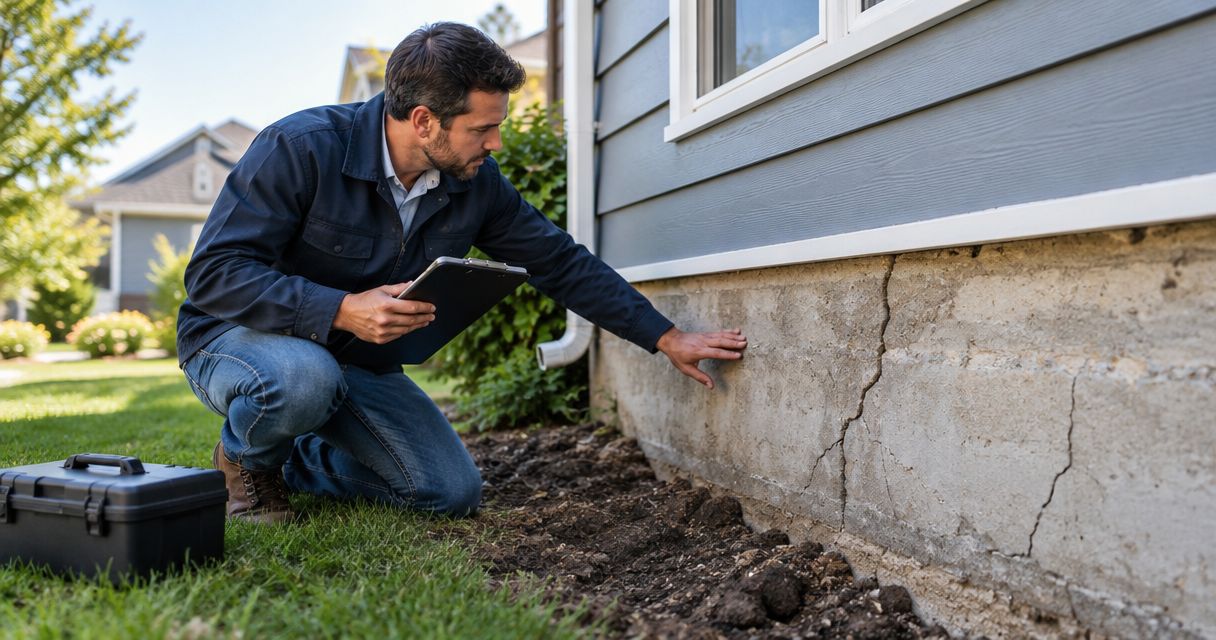
Start with your own records. Photograph visible cracks, sticking doors, floor changes, exterior gaps, and areas where water collects. These observations identify questions for an assessment; they do not establish the cause of movement.
Create a simple property folder with 3 sections: observations, assessments, and completed work. Label each photograph by room or exterior location so another person can find the same spot. Record the date rather than relying on memory.
If the property is occupied, ask residents what they have noticed and when. Treat those reports as background information, not a diagnosis. Do not patch or paint over the evidence before the inspection.
- Photograph each concern from close up and from across the room.
- Mark the location on a basic floor-plan sketch.
- Save prior repair documents supplied by the owner.
- Record rain-related water entry or pooling separately.
2. Arrange an on-site foundation assessment
Walk the property with the person evaluating it. Ask what each finding shows, what remains uncertain, and whether additional investigation is needed. A crack photograph cannot establish the condition of the entire foundation.
For your 2026 acquisition file, distinguish 2 records: the assessment findings and the proposed work. One explains the observed condition; the other explains what the contractor proposes to do. Keeping them separate makes competing proposals easier to review.
Criss Cross Construction offers free on-site estimates for DFW residential foundation repair. Use that visit to discuss house leveling, drainage concerns, and access. Ask whether a structural engineer or another specialist should address questions outside the proposed contractor scope.
- Provide access to the rooms and exterior areas being assessed.
- Ask which findings support the proposed repair.
- Request the proposed work in writing.
- Identify any areas that could not be inspected.
3. Trace water before choosing supporting work
Check where roof runoff lands, where surface water collects, and whether water enters a crawl space. Expansive clay soils change volume as moisture conditions change, so water management belongs in a foundation discussion. It is not proof that drainage alone will resolve a structural concern.
Your manual starting point is a walk around the property during safe conditions after rain. Note low areas, overflowing gutters, and visible discharge points. Do not enter flooded crawl spaces or approach exposed electrical equipment.
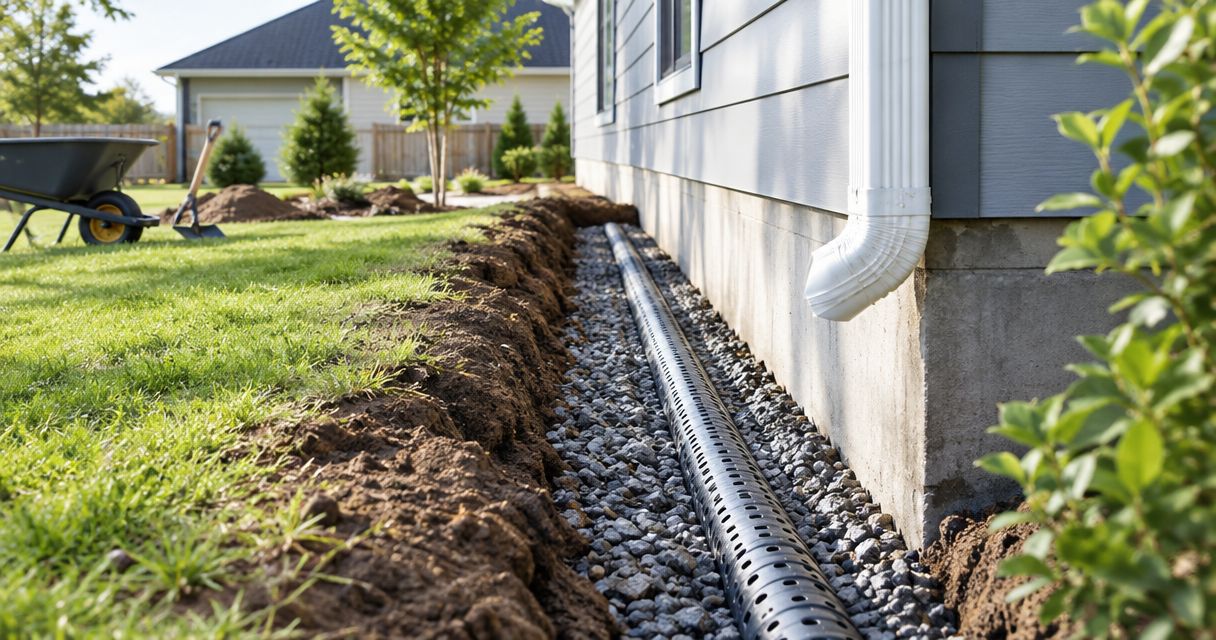
Ask the contractor to explain the purpose and destination of any proposed drainage work. A drain needs a suitable discharge route; moving water from one problem area to another is not a complete plan.
- Record where water pools beside the house.
- Check visible gutter and downspout discharge locations.
- Identify the proposed destination for collected water.
- Separate surface-water concerns from suspected plumbing leaks.
4. Compare scopes instead of repair labels
A proposal that says only “foundation repair” leaves too much undefined. Ask what part of the house is included, what work will occur there, and what assumptions support the recommendation. The method name alone does not answer those questions.
Compare proposals side by side using the same property observations. Different scopes are not equivalent simply because both mention leveling or piers. Ask each contractor to explain differences rather than choosing the proposal with the shortest description.
Separate the foundation scope from drainage, plumbing investigation, and cosmetic restoration. This makes exclusions visible and helps you assign responsibility for connected work. Do not assume an item is included because someone discussed it during the visit.
- Identify the exact areas included in the proposal.
- Ask why the proposed method fits those areas.
- List access, excavation, and cleanup responsibilities.
- Record exclusions and unresolved questions.
- Confirm who handles any necessary follow-up assessment.
5. Sequence foundation work before finishes
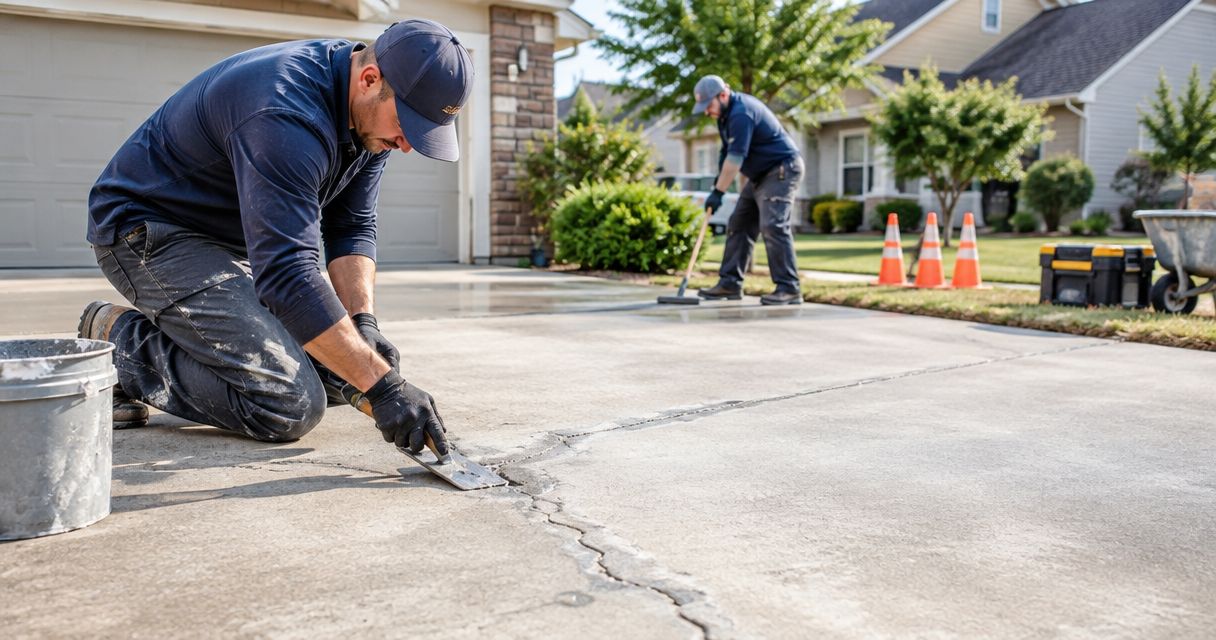
Build the renovation schedule around dependencies. Complete the assessment and agree on the structural scope before installing finishes in affected areas. House leveling can affect existing finishes, so discuss that risk before approving interior restoration.
For a rental, coordinate access and resident communication with the proposed work. For a resale, avoid setting a listing date on the assumption that assessment, repair, and restoration will happen without interruption. Get scheduling information directly from the people responsible.
Use a 3-stage plan: assessment, approved repair, and restoration. These are planning stages, not promised completion periods. Add drainage or concrete work where the written scope places it, rather than assuming every property needs the same sequence.
- Identify work that must happen before finish repairs.
- Confirm access arrangements with occupants.
- Assign responsibility for protecting nearby belongings.
- Discuss possible effects on doors, walls, and finishes.
- Schedule restoration only after reviewing the repair status.
6. Check the decision against your ownership plan
A purchase, rental hold, and resale have different paperwork needs, but none changes the need to understand the foundation condition. Do not let a short ownership period substitute for an assessment. An unexplained repair scope remains unexplained after closing.
Before a 2026 purchase, review the available findings with the professionals advising on your transaction. Ask your lender, insurer, inspector, or real estate representative about requirements relevant to their role. Do not assume one contractor's proposal satisfies every party.
If you already own the house, decide who will authorize scope changes and maintain records. Written approval prevents a site conversation from becoming an undocumented change to the project.
- Match the repair decision to the purchase or ownership stage.
- Identify transaction requirements before committing to dates.
- Review unresolved structural questions with an appropriate specialist.
- Put scope changes and approvals in writing.
7. Close the project with usable records
Keep the original observations, approved scope, change approvals, and completion documents together. Photograph the repaired areas when access allows. Ask the contractor to explain what was completed and what remains outside the scope.
For a 2026 rental handover or resale file, include drainage work and related restoration records alongside the foundation documents. Future owners and contractors need the sequence, not just the final invoice. Keep any stated maintenance instructions with the project records.
Do not describe a house as permanently protected or structurally certified unless appropriate documentation supports that exact statement. Completed repair work and a broad guarantee about future performance are different claims.
- Save the final scope and approved changes.
- Record completed work by location.
- Retain any supplied inspection or engineering documents.
- Note remaining work and who is responsible for it.
- Keep disclosure questions separate for qualified transaction advice.
Compare your next-step options
Choose the next step by the question you need answered. An assessment, foundation repair, and drainage project serve different purposes. None is an automatic substitute for another.
| Option | Best for | Main benefit | Key limitation |
|---|---|---|---|
| Owner documentation | Preparing for an assessment | Organizes symptoms and property history | Does not diagnose structural conditions |
| Contractor on-site estimate | Understanding a proposed repair scope | Connects observed concerns with proposed work | Is not automatically an independent engineering opinion |
| Independent structural engineering assessment | Resolving structural questions that need engineering judgment | Provides a separate technical evaluation | Does not itself perform the repair |
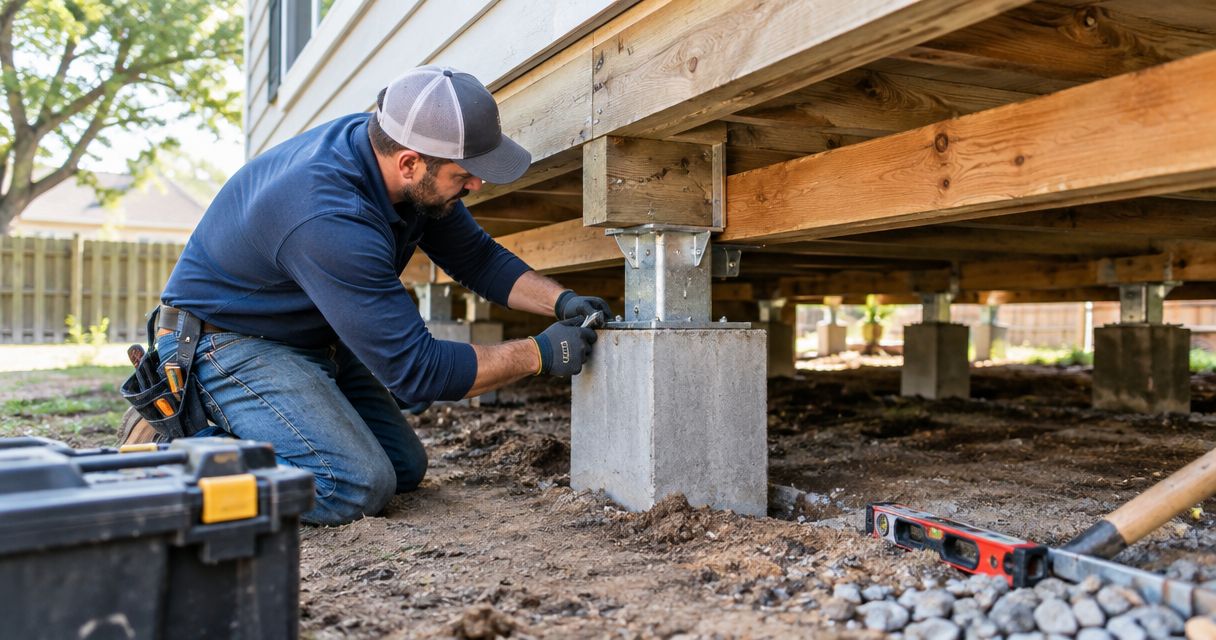
| Foundation repair or house leveling | Addressing conditions identified for correction | Targets the assessed foundation problem | Scope must address the specific house; finishes need separate consideration |
| Drainage or waterproofing work | Addressing identified water-management problems | Deals with water collection, routing, or entry | Does not replace necessary structural repair |
| Cosmetic restoration | Repairing finishes after underlying work is addressed | Restores affected surfaces | Can conceal symptoms without correcting their cause |
Criss Cross Construction is best for DFW residential owners seeking foundation repair with drainage and concrete services. Its free on-site estimate is a practical service starting point; use an independent specialist when the decision requires a separate technical opinion.
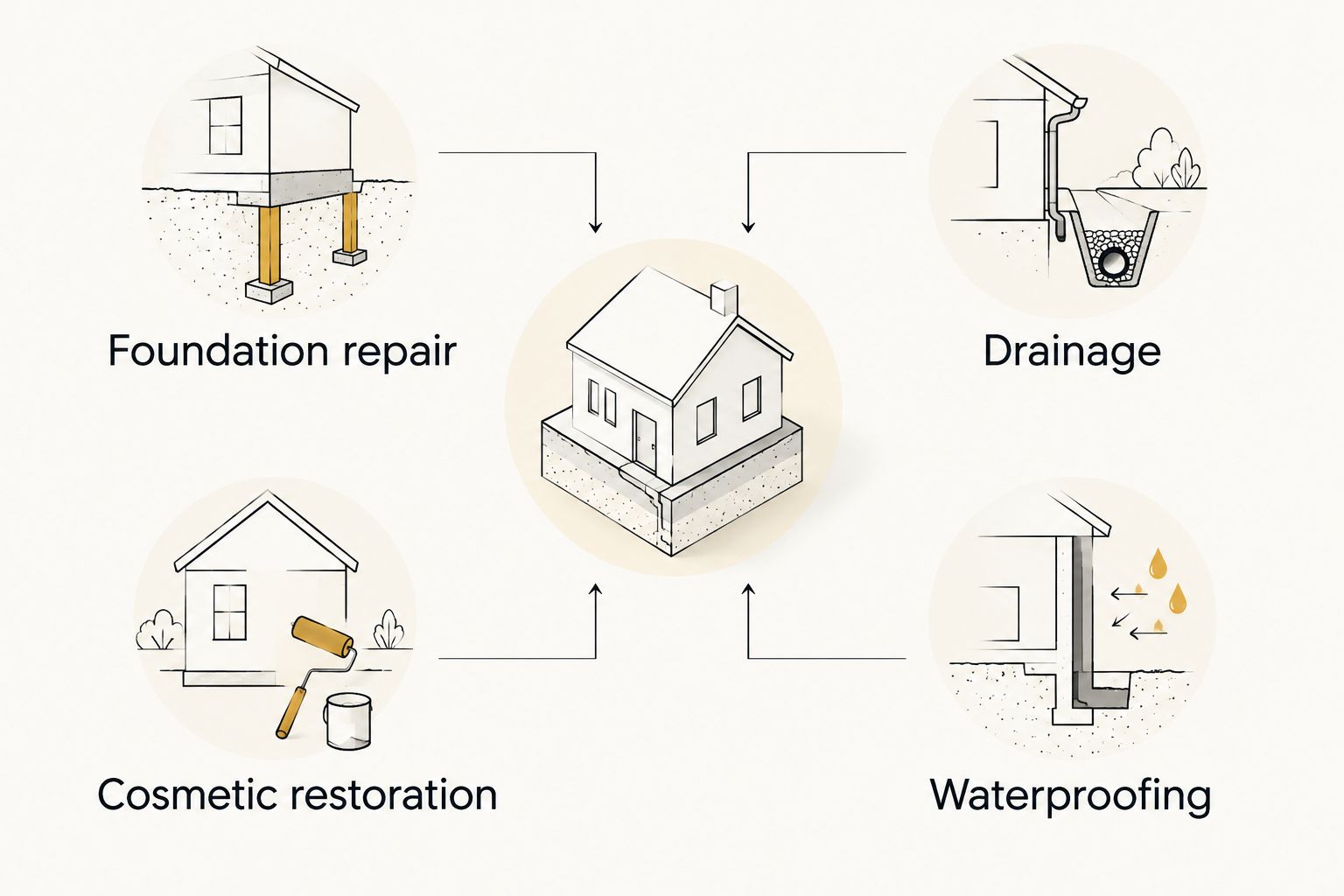
The useful comparison is not which option sounds most extensive. It is which option answers the property's unresolved question. Ask for the reasoning before authorizing the work.
Schedule Your Free On-Site Estimate
Discuss foundation repair, house leveling, and drainage concerns at your DFW residential property.
Common mistakes investors make
Treating a seller's allowance as a repair plan
A negotiated allowance does not identify the cause, scope, access requirements, or necessary follow-up. Obtain an assessment and written proposal before treating a transaction concession as a complete answer to the foundation issue.
Repairing finishes before investigating movement
Fresh paint and patched drywall make rooms presentable, but they can obscure useful observations. Document concerns first, assess the foundation, and place cosmetic work after the relevant underlying work.
Assuming drainage and leveling are interchangeable
A wet yard and an uneven floor require investigation, not a single automatic solution. Ask what each proposed service addresses and which concern remains unresolved if you approve only part of the work.
Buying a repair method instead of a property-specific scope
A familiar method name does not explain whether it fits a particular foundation. Compare location, purpose, exclusions, and supporting findings. Reject proposals that leave those basics unanswered.
Losing the records after a tenant turnover
A rental file needs more than a receipt. Keep observations, approved work, completion records, and resident reports in the same property folder so the next concern can be compared with documented history.
FAQ
What's the first step in foundation repair for real estate investors?
The first step is documenting concerns and arranging an on-site assessment before selecting a repair method. Keep photographs, property history, and prior repair records together so the assessment starts with clear information.
Should I buy a DFW house with foundation problems?
Base the purchase decision on an assessment, a defined repair scope, and your transaction requirements. A visible crack or a seller's allowance alone does not establish whether the purchase fits your plan.
Is drainage work enough to fix a foundation problem?
Drainage work is not a substitute for structural repair when structural repair is needed. Ask the assessor to explain which findings concern water management and which concern the foundation itself.
Do I need a structural engineer before foundation repair?
Use a structural engineer when you need engineering judgment or an independent structural assessment. Ask the professionals involved in the property transaction whether they require particular reports or documentation.
Can tenants stay in the house during foundation work?
Occupancy arrangements depend on the proposed work and the property's conditions. Confirm access, work areas, utility implications, and resident arrangements with the contractor before setting the schedule.
What should a foundation repair estimate include?
A useful foundation repair estimate identifies the proposed work, affected areas, exclusions, access responsibilities, and unresolved questions. Ask for clarification wherever a description leaves you unable to tell what is included.
Does Criss Cross Construction offer free on-site estimates in DFW?
Criss Cross Construction offers free on-site estimates for DFW residential property owners. Request a visit to discuss foundation repair, house leveling, drainage, and related concrete concerns.
One last thing
A useful repair file starts before the repair. Before your next 2026 property visit, create a blank folder for observations, assessments, and completed work. That small preparation keeps the original evidence available when you compare proposals or explain the property's history later.