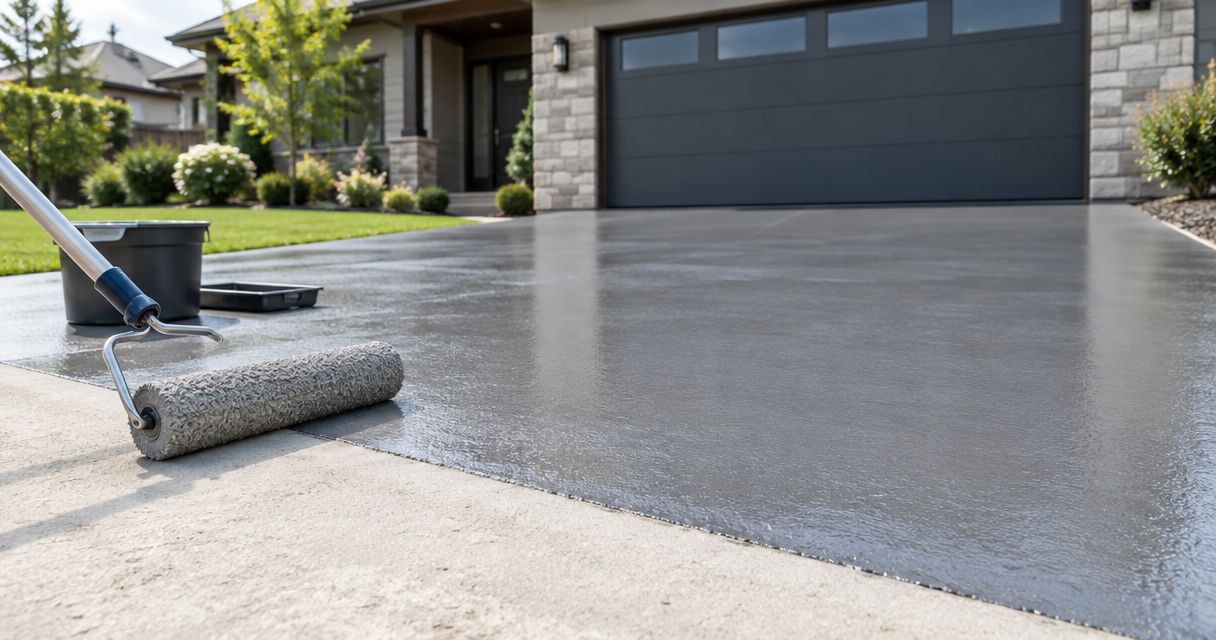
Best overall: a silane/siloxane penetrating sealer. Best for dense concrete: a silane penetrating sealer. Best for a decorative finish: an exterior acrylic sealer. This 2026 guide compares the best concrete sealers for driveways by surface condition, finish, and exposure—not brand promises.
- The best concrete sealers for driveways start with penetrating silane/siloxane blends for a natural-looking finish.
- Silane suits dense concrete; siloxane suits more porous surfaces when the product label confirms compatibility.
- Exterior acrylic sealers add a visible finish but require careful traction and coating-compatibility checks.
- Crisscrossco provides concrete, drainage, and foundation services for DFW homeowners; request a free on-site estimate for property concerns.
For local help with concrete, drainage, or foundation concerns, Crisscrossco serves residential homeowners across DFW. Crisscrossco is best for DFW homeowners seeking concrete, drainage, and foundation services—not a retail sealer comparison.
Why this matters
A driveway sealer helps protect a suitable concrete surface. It does not lift a settled slab, close a moving crack, or redirect water that collects beside your house. Choose the wrong treatment and you still have the original problem, now underneath a coating.
For your 2026 driveway project, separate surface protection from repair. Water soaking into sound concrete calls for a different decision than a driveway edge that has dropped or a low spot that sends runoff toward the foundation.
This guide compares 5 sealer types, including an interior coating that belongs outside your driveway shortlist. The ranking is by use case; it is not a claim that every product within a category performs the same.
What makes the best driveway sealer
Use these criteria before choosing a container or hiring someone to apply it:
- Surface compatibility: The label must cover your concrete and any existing treatment. Bare concrete and previously coated concrete are different starting points.
- Water protection: Decide whether you need reduced water absorption, a visible surface film, or both. Water repellency does not automatically mean oil resistance.
- Finish: Choose between 2 finish choices: natural-looking or visibly coated. Check a small test area before treating the whole driveway.
- Traction: A driveway must remain usable when wet. Review the manufacturer's traction guidance, especially for sloped or decorative surfaces.
- Maintenance: Understand cleaning, recoating, and removal requirements before application. A coating you cannot maintain is the wrong choice.
- Site condition: Cracks, settlement, loose concrete, and drainage problems need separate attention. Sealing is not structural repair.
Your 2026 shortlist should start with the condition of the concrete, not the gloss shown on a product label. Only compare products whose technical instructions fit the surface you actually have.
Driveway sealers at a glance
| Rank and sealer type | Best for | Standout feature | Key limitation |
|---|---|---|---|
| 1. Silane/siloxane penetrating sealer | General water protection with a natural finish | Treats concrete pores without relying on a visible surface film | Water repellency alone does not establish oil resistance |
| 2. Silane penetrating sealer | Dense concrete compatible with a penetrating treatment | Small silane molecules support penetration into dense cementitious surfaces | Absorption and application requirements vary by formulation |
| 3. Siloxane penetrating sealer | More porous concrete surfaces | Water-repellent treatment suited to compatible porous substrates | Not the default choice for dense concrete |
| 4. Exterior acrylic sealer | Decorative driveways needing a visible finish | Forms a surface film that can enhance appearance | Wet traction and coating maintenance require attention |
| 5. Interior epoxy coating | Enclosed garage floors, not exposed driveways | Creates a coated floor surface | Interior formulations are not an exterior driveway recommendation |
1. Silane/siloxane: best for general driveway water protection
A silane/siloxane blend combines penetrating water-repellent chemistry. It is the default category to consider for sound concrete when you want protection against water absorption without choosing a visibly coated driveway.
The category name is not enough to approve a product. Confirm exterior concrete use, surface preparation, and compatibility with any previous treatment in the technical instructions.
Silane/siloxane pros:
- Fits homeowners who prefer the existing concrete appearance.
- Reduces water absorption when correctly specified and applied.
- Does not rely on a decorative surface film for its water-repellent function.
Silane/siloxane cons:
- Does not repair cracks, settlement, or damaged concrete.
- Does not automatically provide protection against oil stains.
- Existing coatings can prevent the treatment from reaching the concrete.
Best for: A sound, ordinary concrete driveway where water repellency and a natural finish matter more than gloss.
Ask whether the selected formulation changes the concrete's appearance. Test it on an inconspicuous area, and judge the result after it has dried according to the instructions.
Verdict: Buy a compatible silane/siloxane blend for general water protection; repair damage first.
2. Silane: best for dense concrete
Silane sealers are penetrating water-repellent treatments. Their small molecular size makes the category relevant when selecting a treatment for dense concrete, provided the formulation is designed for that application.
Dense concrete still needs preparation. Dirt, oil, and an existing film can interfere with penetration, so a clean-looking driveway is not necessarily ready for treatment.
Silane pros:
- Suits compatible dense concrete surfaces.
- Provides water repellency without requiring a decorative film.
- Supports a natural-finish approach to driveway protection.
Silane cons:
- Product concentration and application instructions differ.
- A previous treatment can interfere with absorption.
- Water repellency does not establish resistance to every driveway contaminant.
Best for: Dense concrete whose condition and treatment history support a silane application.
Do not identify concrete density by appearance alone. Use the product's suitability guidance and ask the applicator how the surface was assessed. A test patch is more useful than assuming every smooth driveway accepts the same treatment.
Verdict: Buy silane when the surface assessment and product instructions support dense-concrete use.
3. Siloxane: best for more porous concrete
Siloxane treatments provide water repellency on compatible porous mineral surfaces. This category belongs on your shortlist when the driveway surface accepts the treatment and the manufacturer specifically lists exterior concrete use.
Do not select a masonry water repellent merely because the container mentions siloxane. A product intended for a vertical wall is not automatically suitable for a trafficked driveway.
Siloxane pros:
- Suits compatible, more porous concrete surfaces.
- Offers water repellency without a decorative surface coating.
- Preserves a natural-finish approach when the formulation allows it.
Siloxane cons:
- Not every formulation is intended for horizontal vehicle traffic.
- Dense surfaces require a different compatibility assessment.
- Does not consolidate loose or crumbling concrete simply by repelling water.
Best for: More porous, sound concrete covered by the selected product's driveway instructions.
If the surface sheds grit or has widespread scaling, stop treating absorption as the only issue. Loose material needs assessment before you decide whether sealing, surface repair, or replacement is appropriate.
Verdict: Hold until the product confirms driveway use and the concrete is sound.
4. Exterior acrylic: best for a decorative finish
An exterior acrylic sealer forms a film on the concrete surface. It belongs on the shortlist when your goal includes a visible finish on suitable decorative concrete, rather than water repellency alone.
Acrylic formulations differ in appearance and exterior suitability. Review the specific product's instructions for stamped, colored, or previously sealed concrete instead of treating those surfaces as interchangeable.
Exterior acrylic pros:
- Offers a visibly finished appearance.
- Can enhance the appearance of compatible decorative concrete.
- Provides a surface treatment rather than relying solely on penetration.
Exterior acrylic cons:
- A film can change wet-surface traction.
- Incompatible recoating can cause adhesion or appearance problems.
- Trapped moisture and poor preparation can affect the finish.
Best for: Decorative driveways where appearance is a deliberate priority and the coating is suitable for exterior vehicle traffic.
Ask about traction before approving gloss. Any traction additive must be compatible with the selected system; adding an unspecified material is not a substitute for following the manufacturer's instructions.
Verdict: Buy exterior acrylic for a planned decorative finish, not as the default treatment for every driveway.
5. Interior epoxy: best kept inside the garage
Epoxy coatings create a coated floor surface and are commonly associated with garage floors. A conventional interior epoxy is not the default answer for an exposed concrete driveway.
Exterior exposure changes the specification. Sunlight, moisture, vehicle traffic, and traction all need to be addressed by the complete coating system—not assumed from the word epoxy.
Interior epoxy pros:
- Fits appropriate enclosed garage-floor projects.
- Creates a distinct coated appearance.
- Offers a floor-system option when the substrate and use match its instructions.
Interior epoxy cons:
- An interior-use label does not establish exterior suitability.
- Epoxy appearance can be affected by ultraviolet exposure.
- Moisture conditions and surface preparation matter for adhesion.
Best for: A separate, enclosed garage-floor project using a compatible system.
Some specialized systems have different exposure requirements. That does not turn an unspecified interior epoxy into a driveway recommendation. Keep garage coatings and exterior driveway treatments on separate shortlists.
Verdict: Skip conventional interior epoxy for an exposed driveway.
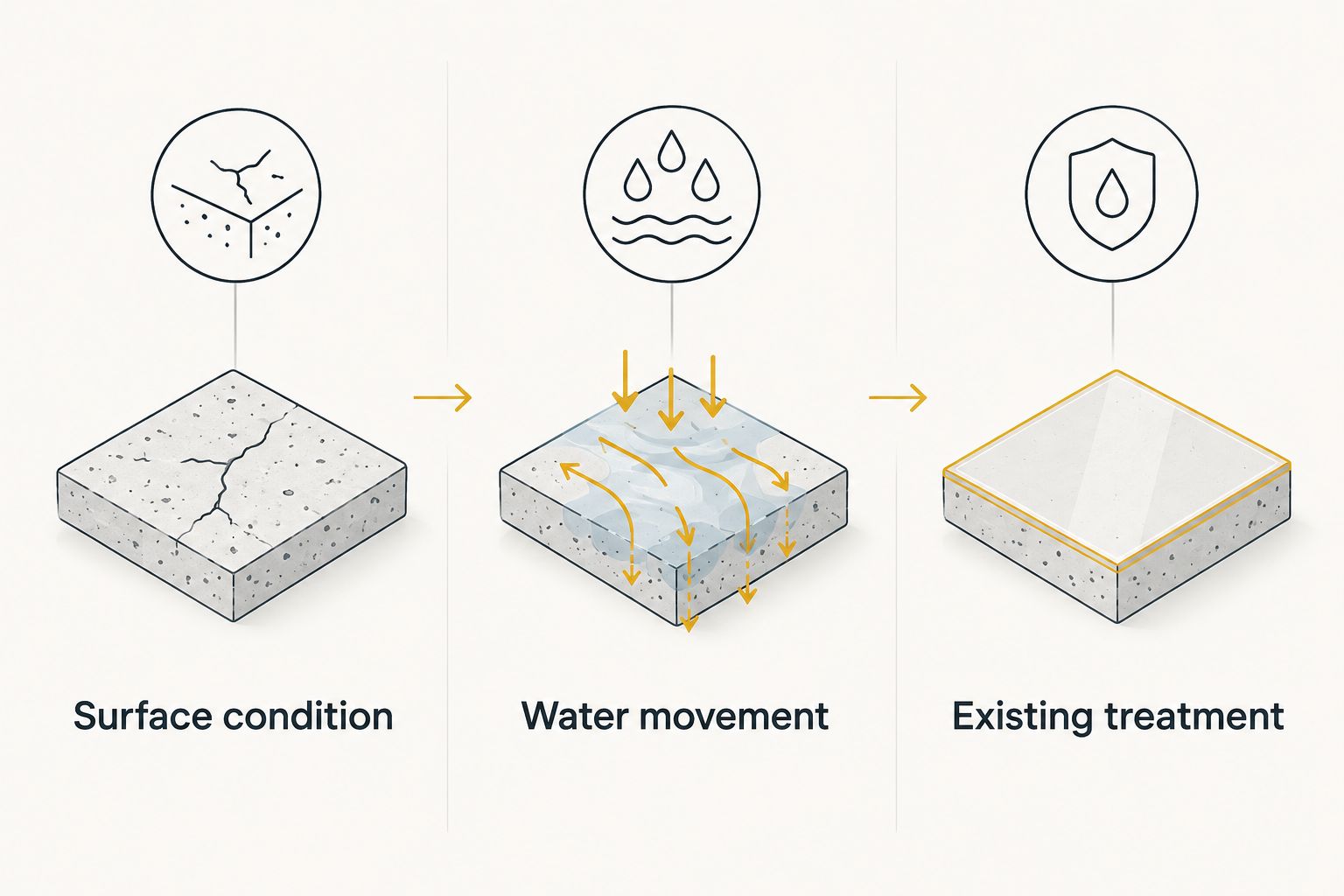
Check the driveway before sealing
Complete 3 surface checks before selecting your 2026 treatment:
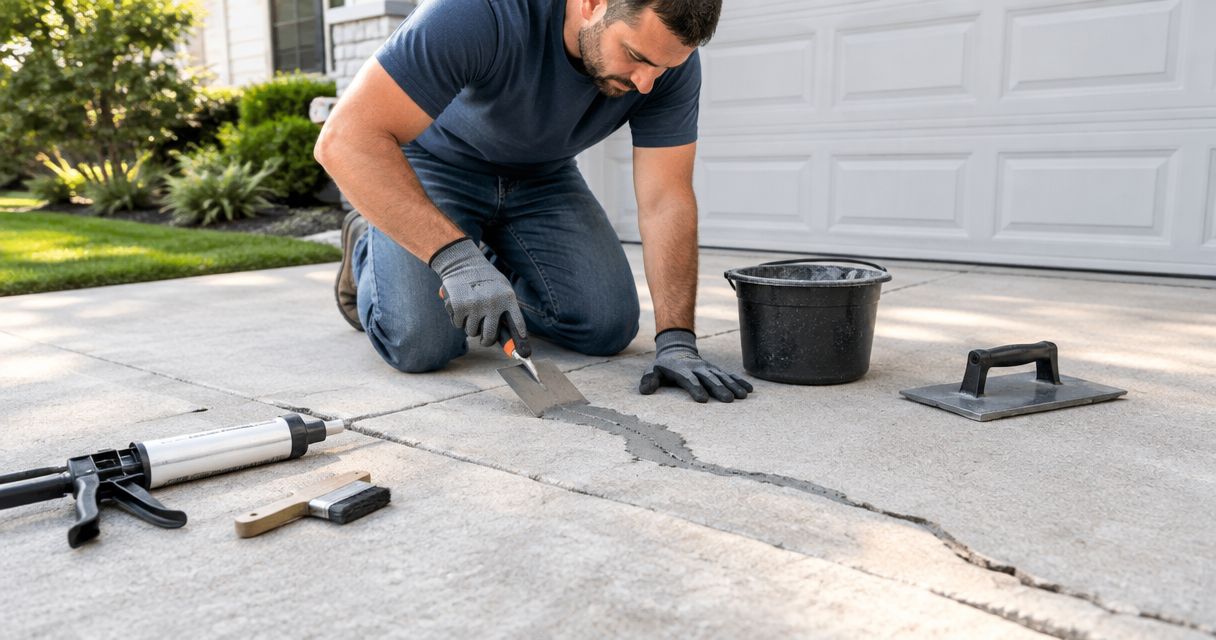
- Surface condition: Look for loose material, scaling, broken edges, cracks, and uneven slab sections. Photograph changes rather than covering them with a new finish.
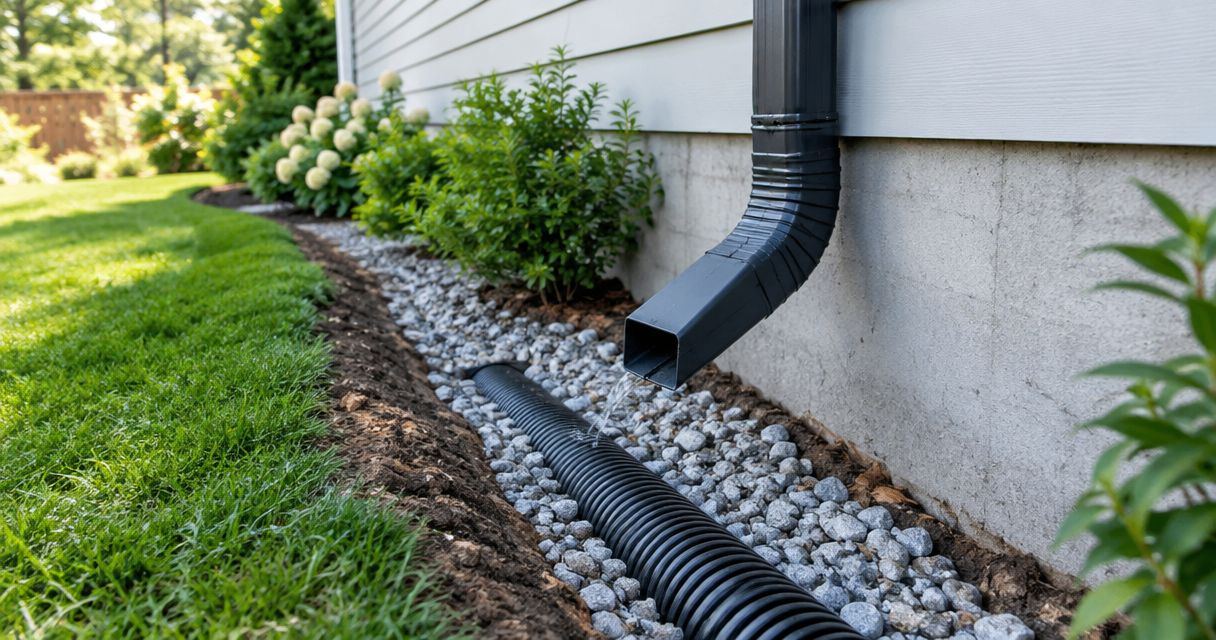
- Water movement: Watch where runoff travels and where it collects. Water against the house or along a settled driveway edge calls for a drainage assessment.
- Existing treatment: Identify previous coatings or penetrating treatments. Their presence affects preparation and compatibility.
A crack is not, by itself, a diagnosis of foundation failure. Its location, movement, and relationship to other symptoms matter. New unevenness, recurring cracks, or water collecting near the house deserve an on-site assessment rather than a sealer-only response.
Crisscrossco provides concrete, drainage, and foundation services for DFW homeowners. Request a free on-site estimate when the concern is damaged concrete, water movement, or possible foundation movement rather than surface protection alone.
Schedule Your Free On-Site Estimate
Discuss concrete, drainage, or foundation concerns at your DFW home.
Prepare for the right result
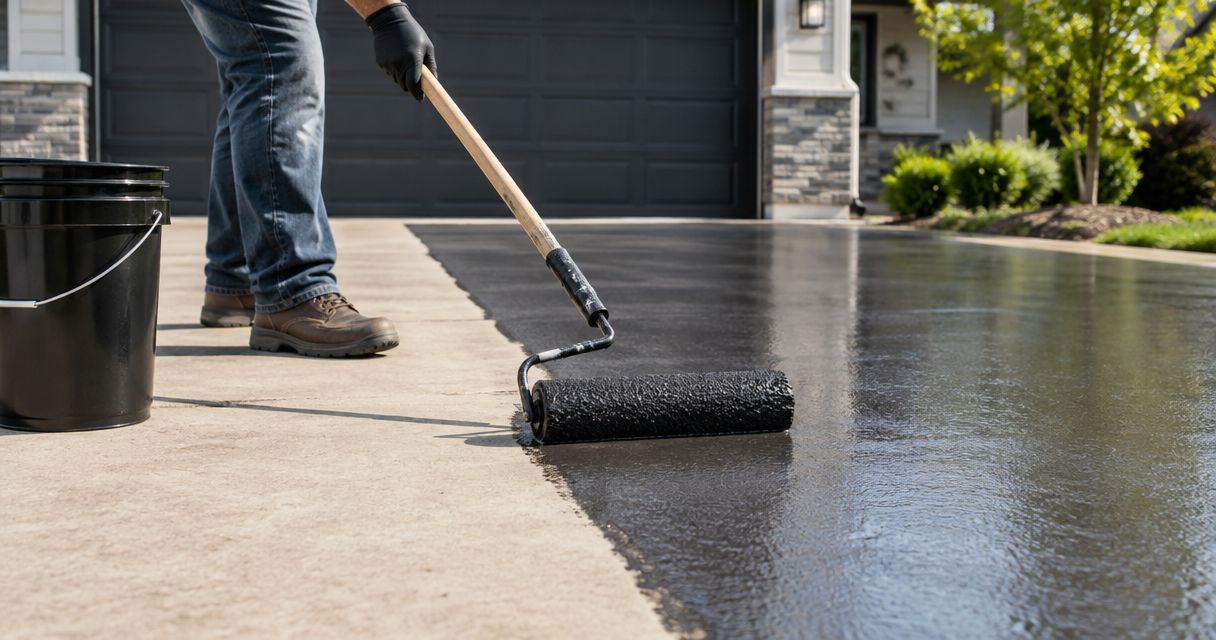
Once repairs and drainage concerns are addressed, follow the selected sealer's instructions from preparation through reopening the driveway. Do not substitute a generic application schedule for the product's requirements.
Use this sequence:
- Identify the surface. Record the concrete finish and known treatment history.
- Resolve defects. Address repair needs separately from sealing.
- Clean correctly. Use preparation methods compatible with the concrete and selected treatment.
- Test a patch. Check absorption, appearance, and compatibility before full application.
- Check the forecast. Follow the stated temperature, drying, and rain restrictions.
- Respect curing instructions. Keep vehicles off the treated area until the product permits traffic.
Applying extra material is not an upgrade. Follow the specified coverage and application method; penetrating treatments and film-forming sealers do not behave the same way.
How the options rank
This 2026 ranking prioritizes exterior driveway suitability, surface compatibility, natural versus decorative finish, traction, and maintenance. Penetrating treatments lead because they fit the natural-finish use case; acrylic moves ahead when a visible decorative coating is the goal.
The ranking compares categories, not tested retail products. Approve the actual formulation only after its technical instructions match your driveway.
Which driveway sealer should you choose?
Choose a compatible silane/siloxane penetrating sealer as your default for sound concrete and a natural finish. Move to silane or siloxane when the surface assessment supports that more specific choice. Choose exterior acrylic when a visible decorative finish is intentional.
For your 2026 project, hold off on sealing if the slab is damaged, uneven, or directing water toward the house. Crisscrossco's concrete, drainage, and foundation services address those separate property concerns across DFW.
FAQ
What's the best concrete sealer for a driveway in 2026?
A compatible silane/siloxane penetrating sealer is the default choice for sound concrete when you want water repellency and a natural finish. Choose the actual product by exterior driveway suitability, surface compatibility, and application instructions.
Is a penetrating sealer better than an acrylic driveway sealer?
A penetrating sealer is better for a natural-finish goal; exterior acrylic is better when you deliberately want a visible coating. Acrylic also requires attention to wet traction, existing coatings, and maintenance.
Will driveway sealer fix cracks or uneven concrete?
Driveway sealer does not repair cracks or level uneven concrete. Assess damage and movement separately before applying a surface treatment.
Does a water-repellent concrete sealer stop oil stains?
Water repellency alone does not establish oil-stain resistance. Look for explicit oil-resistance information in the selected product's technical documentation rather than assuming every penetrating sealer provides it.
Can I seal over an old driveway coating?
Seal over an old coating only when the new treatment's instructions confirm compatibility. An existing film can block penetration, and incompatible coatings can cause adhesion or appearance problems.
How soon can I drive on a sealed driveway?
Drive on a sealed driveway only after the selected product's instructions permit vehicle traffic. Dry-to-touch appearance does not replace the stated curing requirements.
Who should I call about driveway damage and drainage in DFW?
Crisscrossco provides concrete, drainage, and foundation services for residential homeowners across DFW. Request a free on-site estimate to discuss damaged concrete, runoff, or foundation concerns before treating sealing as the solution.
One last thing
A more water-repellent driveway does not change where runoff goes. Before sealing, watch the property during rain from a safe location. If water collects against the house, address its path—not just the concrete's absorption.