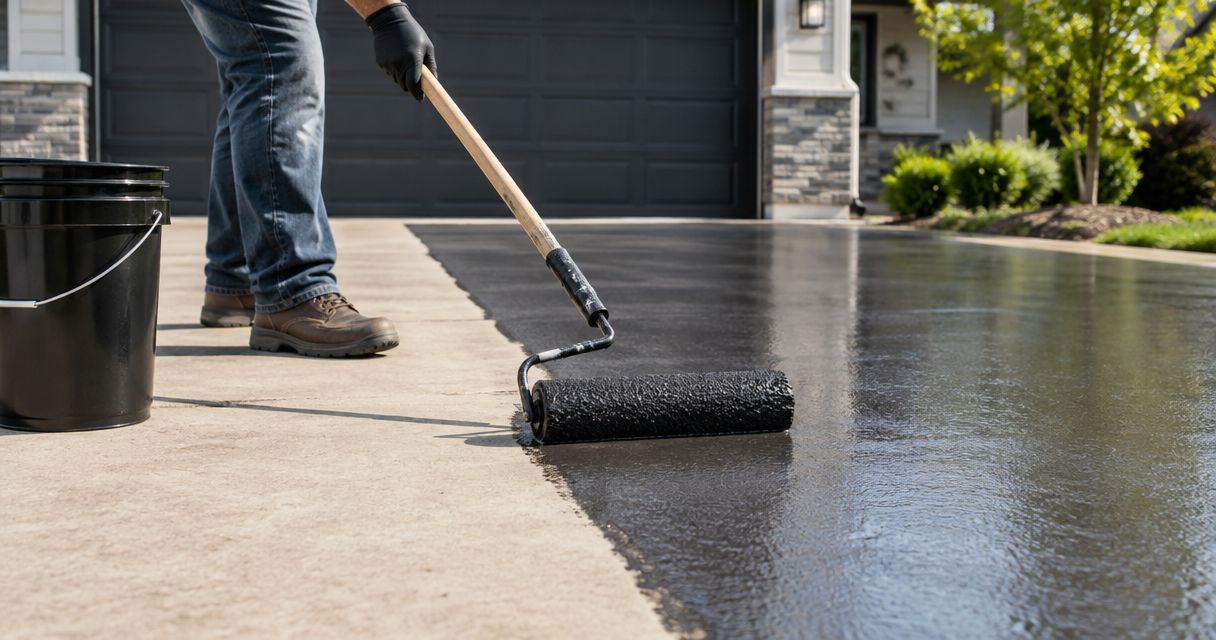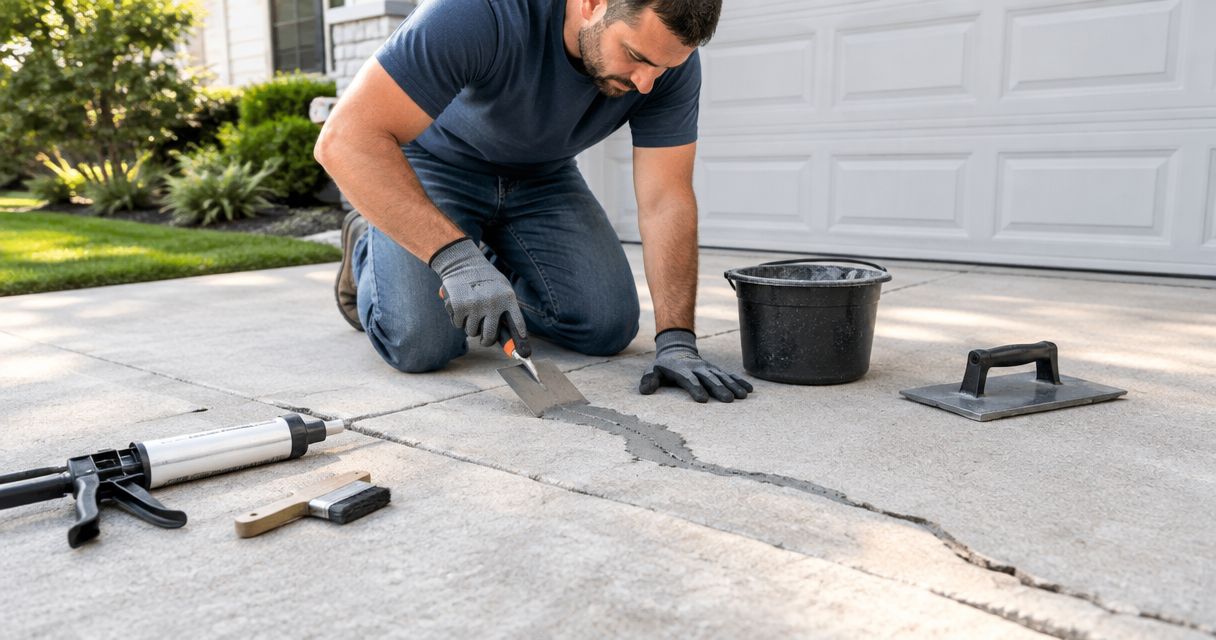
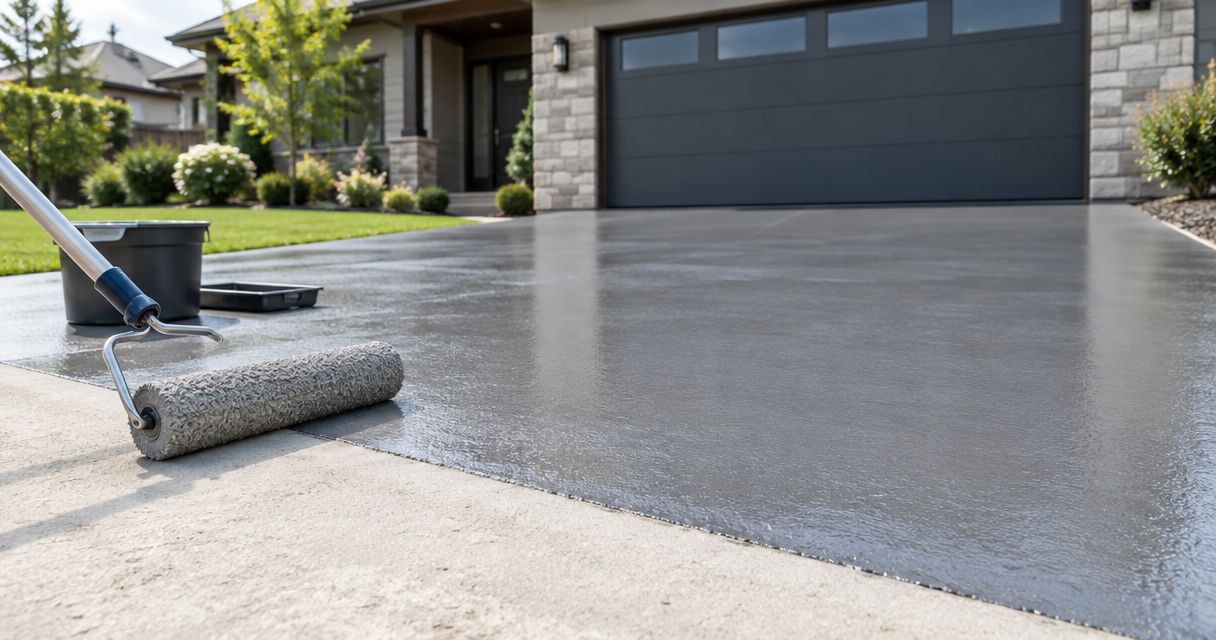
Best overall: a broom-finished cement-based resurfacer for sound concrete. Best for decorative patterns: a stamped overlay. Best for color-only updates: concrete stain with a compatible sealer. This 2026 guide ranks the best concrete driveway resurfacing options for Dallas–Fort Worth homeowners and explains when repairs or replacement should come first.
- The best concrete driveway resurfacing options depend on slab condition, drainage, vehicle use, and the finish you want.
- Choose a broom-finished cement-based resurfacer for worn surfaces on sound concrete.
- Choose a stamped overlay for decorative patterns, not for correcting slab movement.
- Crisscrossco provides concrete and drainage services for DFW homeowners; request a free on-site estimate before choosing a finish.
Why the slab matters more than the finish
A new surface does not correct a moving slab or a driveway that sends water toward your house. Start with the condition of the concrete, then choose the appearance. Reversing that order puts a decorative finish over a problem that still needs attention.
Crisscrossco is a practical starting point for DFW homeowners seeking concrete work and drainage services. Request a free on-site estimate and ask whether your driveway needs surface preparation, localized repairs, drainage work, or replacement before discussing the finish.
For your 2026 project, separate surface wear from structural damage. Discoloration, shallow surface deterioration, and an outdated appearance call for a different conversation than displaced slabs, recurring cracks, or broken sections.
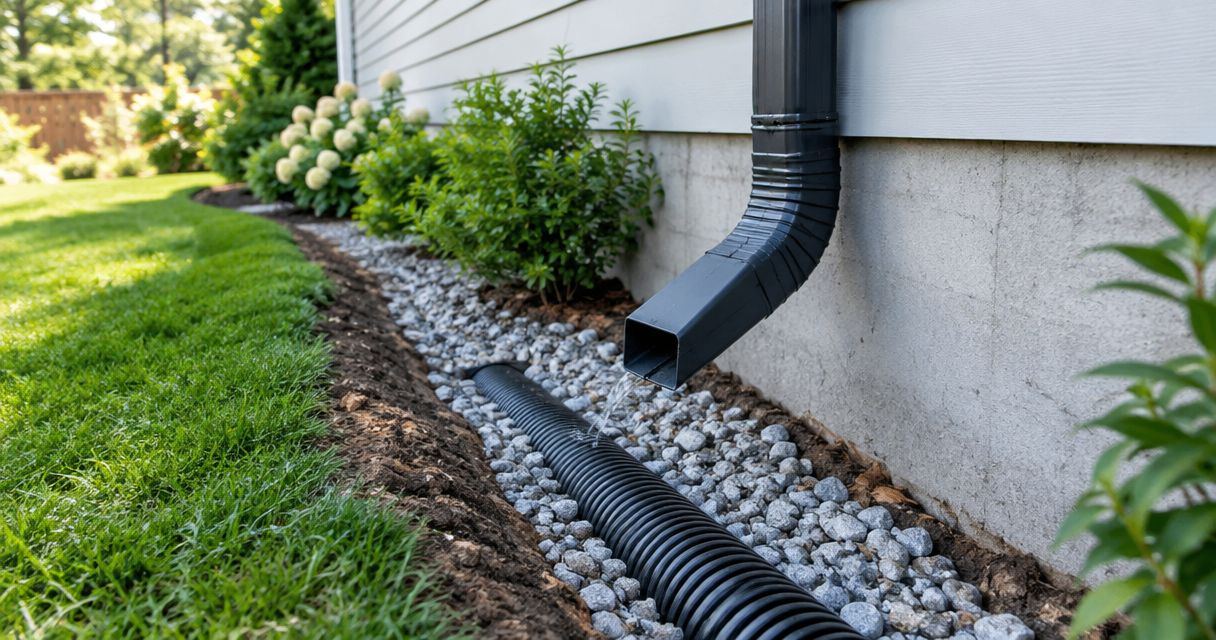
Water deserves its own check. Watch where runoff travels, where puddles remain, and whether water collects beside the house. The guide to yard drainage solutions for clay soil properties explains drainage options to discuss alongside driveway work.
What makes the best driveway resurfacing option
Use these criteria to compare a 2026 resurfacing proposal before choosing a texture or color:
- Slab condition: The existing concrete must support the proposed surface. Ask how cracks, loose material, and uneven sections will be handled.
- Vehicle suitability: A driveway finish must be intended for exterior vehicle traffic, not just patios or interior floors.
- Wet traction: Evaluate the finished surface when wet. Texture and sealer selection belong in the same discussion.
- Water flow: The proposal should address drainage concerns rather than cover them with a new finish.
- Preparation requirements: Cleaning, removing unsuitable coatings, and preparing the concrete are part of the job—not optional extras.
- Maintenance: Ask what cleaning, sealing, and future repairs the chosen system requires.
Choose the least complicated finish that meets your needs and suits the existing slab. Decorative detail is useful when you want it; it is not a substitute for preparation or sound concrete.
Driveway options at a glance
This 2026 ranking compares finish types, not contractors or branded products. The last two choices are alternatives to resurfacing: staining changes appearance, while replacement addresses concrete that should not receive another surface layer.
| Option | Best for | Standout feature | Key limitation |
|---|---|---|---|
| Broom-finished cement-based resurfacer | Worn surfaces on sound concrete | Plain, textured surface renewal | Does not correct slab movement |
| Textured decorative overlay | Decorative color with surface texture | Color and texture in a bonded finish | Requires a driveway-suitable system |
| Stamped overlay | Patterned finish | Patterns resembling paving materials | Pattern and sealer complicate repairs |
| Concrete stain with compatible sealer | Color refresh | Changes appearance without a resurfacing layer | Does not replace missing concrete |
| Full-depth concrete replacement | Unsuitable existing concrete | Removes concrete that cannot support resurfacing | Requires demolition and construction work |
The default recommendation is a broom-finished cement-based resurfacer only after the existing slab passes the condition check. If the driveway does not need a new surface, staining is the narrower intervention. If the concrete is unsuitable, replacement belongs ahead of every overlay.
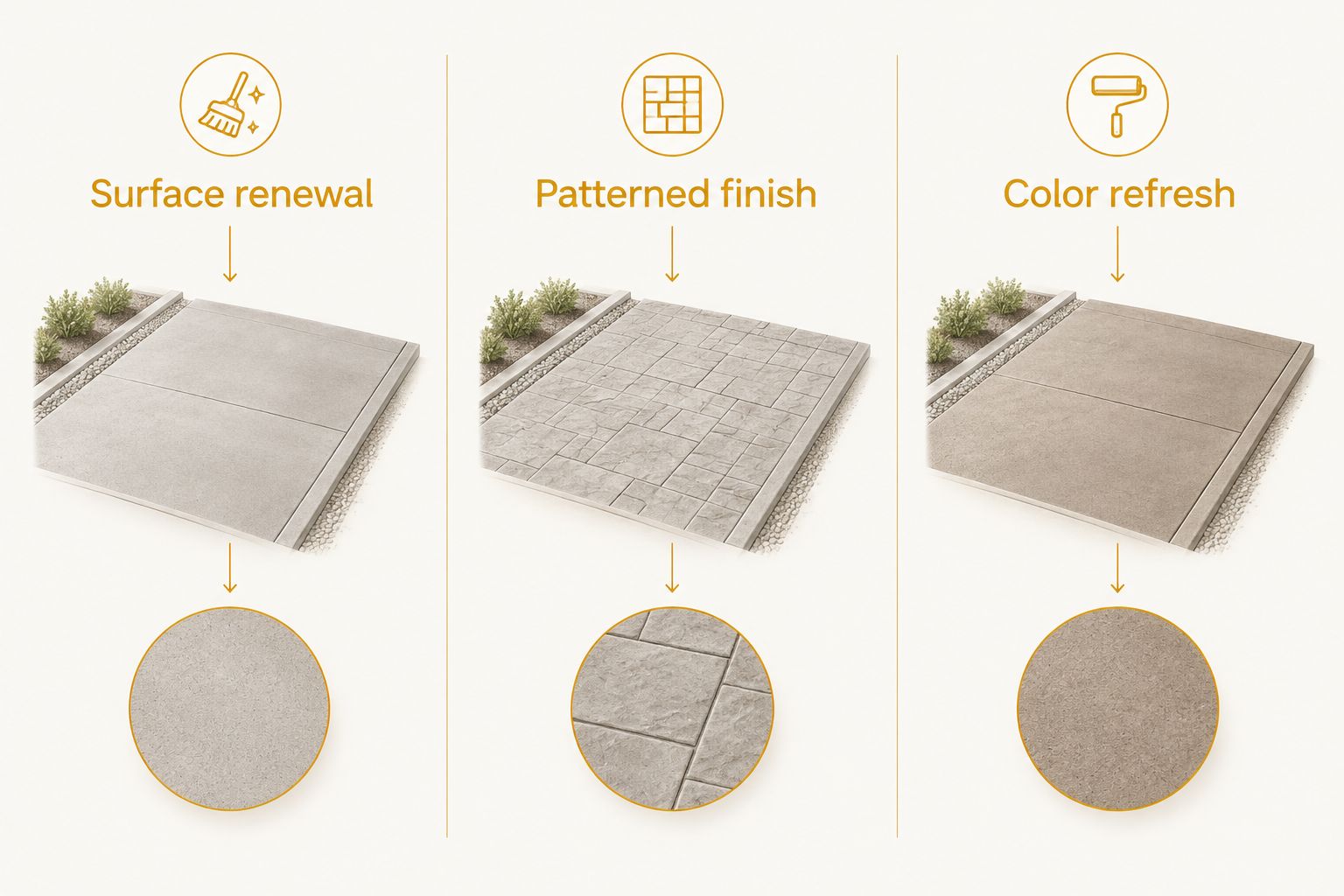
1. Broom-finished cement-based resurfacer: best for surface renewal
A cement-based resurfacer creates a bonded layer over properly prepared concrete. A broom finish adds texture instead of a decorative pattern. This is the clearest starting point when your driveway needs a renewed surface but you want a plain concrete appearance.
The existing slab still determines whether the approach fits. A resurfacer covers the prepared surface; it does not stabilize moving sections or correct the underlying cause of recurring damage.
Broom-finished resurfacer pros:
- Renews worn surface areas without selecting a decorative pattern.
- Provides a textured finish rather than a smooth decorative surface.
- Keeps the appearance focused on conventional concrete.
- Offers a straightforward finish to discuss during an estimate.
Broom-finished resurfacer cons:
- Depends on suitable concrete and thorough surface preparation.
- Does not eliminate movement-related cracking.
- Requires attention to joints, edges, and adjoining surfaces.
Ask the contractor to explain the preparation method and how existing joints will carry through the work. Also ask how the new surface will meet the garage entrance, sidewalk, and street without creating awkward transitions.
A proposal that names the finish but skips the preparation is incomplete. You need to know what happens beneath the visible layer, particularly where older coatings, loose concrete, or repairs are present.
Best for: DFW homeowners who want a plain, textured renewal of sound concrete.
Verdict: Buy after the slab and drainage checks confirm resurfacing is appropriate.
2. Textured decorative overlay: best for color and texture
A textured decorative overlay adds a bonded finish with color and a selected surface texture. Spray-applied or trowel-textured finishes fall within this broad category. The exact system must be suitable for outdoor driveway use and vehicle traffic.
Choose this option when appearance matters but you do not want a stamped paving pattern. Ask to see the proposed texture and color together; separate samples do not show the complete finish.
Textured decorative overlay pros:
- Combines surface renewal with a decorative color choice.
- Offers texture without requiring a stamped pattern.
- Allows you to discuss appearance and wet traction together.
Textured decorative overlay cons:
- System suitability varies; a patio coating is not automatically a driveway finish.
- Repairs can stand out against an existing decorative surface.
- Cleaning and sealing requirements depend on the selected system.
Ask how the contractor will handle tire paths, transitions, and existing repairs. Request an explanation of the complete system, including any sealer, rather than accepting a description limited to its color.
Crisscrossco is best for DFW homeowners who want concrete driveway work assessed alongside drainage concerns. Discuss the finish you want during the free on-site estimate, then confirm whether that specific approach is offered and suitable for your slab.
Best for: Homeowners seeking a decorative, textured surface without stamped patterns.
Verdict: Buy only with a documented exterior, vehicle-traffic application.
3. Stamped overlay: best for a patterned finish
A stamped overlay uses a resurfacing material that receives a decorative impression. The pattern can resemble paving materials while remaining a surface applied over existing concrete. It is an appearance choice, not a method of repairing the slab beneath it.
Choose a stamped overlay when the pattern is central to your project. If you simply want cleaner-looking concrete, a plain resurfacer avoids pattern decisions and decorative repair matching.
Stamped overlay pros:
- Adds a deliberate paving-style pattern.
- Combines texture, pattern, and color in the surface treatment.
- Gives homeowners a decorative alternative to a plain finish.
Stamped overlay cons:
- Patterned repairs can be difficult to blend visually.
- Sealer selection affects the finished appearance and wet traction.
- Existing movement remains a concern beneath the overlay.
Ask where the pattern will start and stop. Garage openings, driveway edges, and transitions to walkways deserve attention because the layout is visible long after the installation.
Do not approve a pattern from a small color chip alone. Ask for a representative sample or a relevant completed-project example, and distinguish appearance evidence from any promise about performance.
For a 2026 driveway project, confirm the maintenance instructions before approving the finish. Know what cleaning and resealing involve, and ask how damaged areas would be repaired.
Best for: Homeowners whose main goal is a patterned driveway appearance.
Verdict: Buy for the pattern; skip it as a solution to structural damage.
4. Concrete stain with sealer: best for a color refresh
Concrete stain changes the appearance of the existing concrete without adding a resurfacing layer. A compatible sealer is selected according to the stain, concrete condition, and driveway use. This is an alternative to resurfacing, not a replacement for it.
Choose staining when the driveway surface is serviceable and color is the main concern. Missing concrete, rough deterioration, and displaced sections need a different scope.
Concrete stain pros:
- Changes color without adding a decorative overlay.
- Retains the existing concrete's surface character.
- Fits projects focused on appearance rather than rebuilding the surface.
Concrete stain cons:
- Does not fill missing material or correct uneven slabs.
- Existing patches and variations can remain visible.
- Previous coatings and surface contamination affect preparation.
Ask for a test area on your driveway before committing to the appearance. Concrete varies, so a sample board does not establish exactly how your existing slab will look.
Discuss the sealer separately from the stain. Confirm exterior driveway suitability, maintenance needs, and the approach to wet traction. A color decision should not silently become approval of an unspecified coating.
If your goal is to hide every crack and patch, staining is the wrong expectation. It changes color; it does not turn varied existing concrete into a newly placed slab.
Best for: Homeowners with serviceable concrete who want a color change.
Verdict: Buy for appearance; skip when the surface needs rebuilding.
5. Full-depth replacement: best for unsuitable concrete
Full-depth replacement removes existing concrete and installs a new driveway section or driveway. It is not resurfacing. It belongs in this comparison because a poor resurfacing candidate needs a different decision, not a thicker decorative cover.
Replacement deserves assessment when sections are displaced, concrete is extensively broken, or the existing slab cannot support the proposed overlay. The contractor must determine the appropriate scope rather than treating every crack as a reason for demolition.
Concrete replacement pros:
- Removes concrete that is unsuitable for a bonded finish.
- Allows the new work to address layout, joints, and surface drainage.
- Avoids making a failed existing surface the base of another finish.
Concrete replacement cons:
- Requires demolition and construction access.
- Disrupts driveway use during the work and required curing period.
- Does not automatically resolve drainage or soil-related causes without planning.
Ask whether the recommendation covers isolated sections or the whole driveway. Require an explanation of why the existing concrete cannot be retained, and how the proposed work addresses the problem that prompted replacement.
Driveway movement does not by itself establish a house foundation problem. If you also notice changes inside the home, tell Crisscrossco during the estimate so foundation repair or house leveling concerns receive separate attention.
Best for: Homeowners whose existing concrete is unsuitable for resurfacing.
Verdict: Buy when the condition assessment supports replacement; skip an overlay over failed concrete.
Before you approve the work
Bring specific observations to your 2026 estimate. You do not need to diagnose the concrete yourself; you need to show where the problem is and explain what you want changed.
- Take 3 photos: Capture the whole driveway, the main damaged area, and the driveway's connection to the house or garage.
- Request 2 scope alternatives: Where both approaches are suitable, ask the contractor to explain resurfacing versus replacement—or resurfacing versus a color-only treatment.
- Get 1 written plan: Keep preparation, repairs, finish, drainage considerations, and maintenance instructions together.
These are preparation steps, not technical thresholds. A contractor still needs to inspect the driveway and determine which options fit.
Ask what access you must keep clear and how the contractor will communicate when the driveway can return to vehicle use. Follow the instructions for the actual materials and site conditions; do not borrow a reopening timetable from an unrelated project.
A useful estimate explains why the proposed work fits your driveway. A finish name alone does not tell you whether damaged concrete, joints, runoff, and transitions have been addressed.
Schedule your free on-site estimate
Discuss your DFW driveway, drainage concerns, and concrete work before choosing a finish.
How these options are ranked
The ranking starts with slab suitability, then considers surface renewal, wet traction, appearance, and maintenance. It does not claim that every driveway needs resurfacing or that one finish performs identically on every property.
Broom-finished resurfacing is the default for sound concrete that needs surface renewal. Decorative overlays serve appearance-led projects, staining serves color-only projects, and replacement serves concrete that should not receive an overlay.
Which option should you choose?
Choose a broom-finished cement-based resurfacer when sound concrete needs a new surface and you want a plain finish. Choose a textured decorative overlay for color and texture, or a stamped overlay when the pattern is the priority.
Choose stain when the existing surface is serviceable and you only want to change its appearance. Choose replacement when the condition assessment shows that resurfacing is unsuitable.
For DFW homeowners comparing options in 2026, the next move is an on-site assessment—not a finish purchase. Ask Crisscrossco about concrete work, drainage concerns, and any separate foundation symptoms before approving the scope.
FAQ
What's the best concrete driveway resurfacing option?
A broom-finished cement-based resurfacer is the default choice for sound concrete that needs surface renewal and a plain finish. A condition assessment must confirm that the existing slab is suitable.
Can you resurface a cracked concrete driveway?
Some cracked driveways are resurfacing candidates, but the cracks need assessment first. An overlay does not stabilize moving concrete, and existing damage must be addressed in the preparation plan.
Is a stamped overlay better than a broom finish?
A stamped overlay is better for a patterned appearance; a broom finish is better for a plain, textured surface. Neither choice removes the need for suitable concrete and proper preparation.
Is concrete staining the same as resurfacing?
No, concrete staining changes color rather than adding a resurfacing layer. It does not replace missing concrete or correct uneven driveway sections.
Should drainage be addressed before driveway resurfacing?
Drainage concerns should be assessed before the resurfacing scope is approved. A new finish does not correct runoff that flows toward the house or collects beside the driveway.
When is driveway replacement better than resurfacing?
Replacement is the better approach when the existing concrete is unsuitable for a bonded finish. Ask the contractor to explain the condition findings and whether replacement should cover specific sections or the whole driveway.
How do I arrange a concrete driveway estimate in DFW?
Request a free on-site estimate from Crisscrossco and describe the driveway damage, drainage concerns, and finish you want. Mention any separate house foundation or leveling concerns so they can be discussed alongside the concrete work.
One last thing
Inspect the driveway after rain before choosing its next finish. A dry surface shows cracks and appearance; rainfall shows where water travels and collects. Photograph those locations and bring them to the estimate.
The best-looking sample cannot answer whether your driveway drains properly. Settle that question before approving the surface.