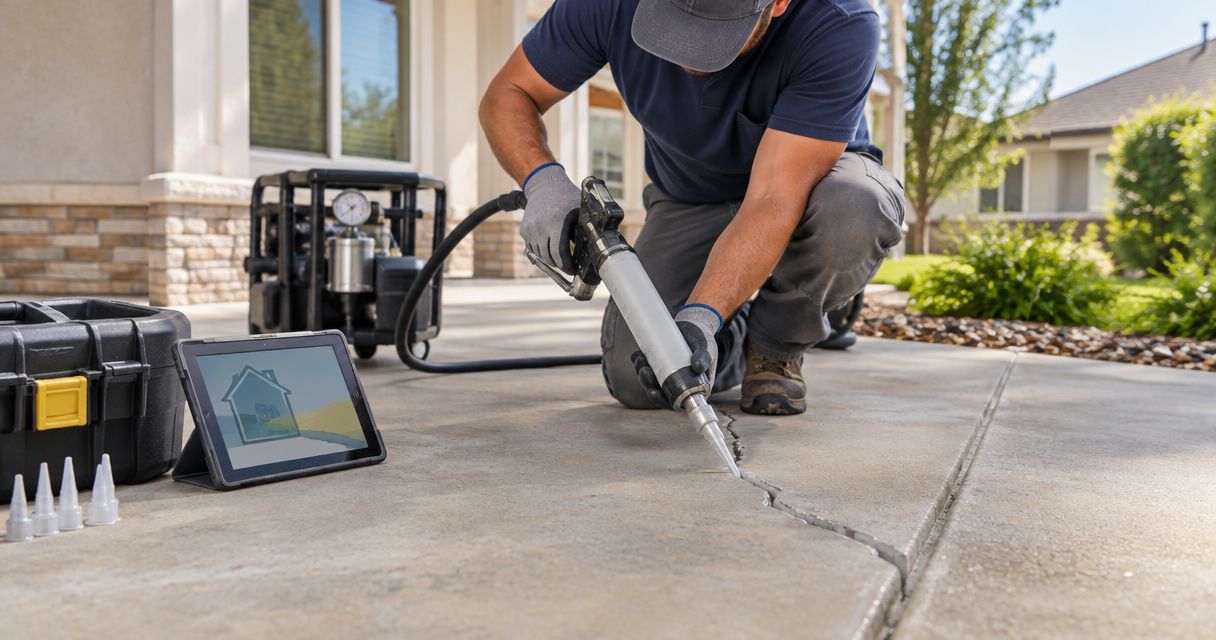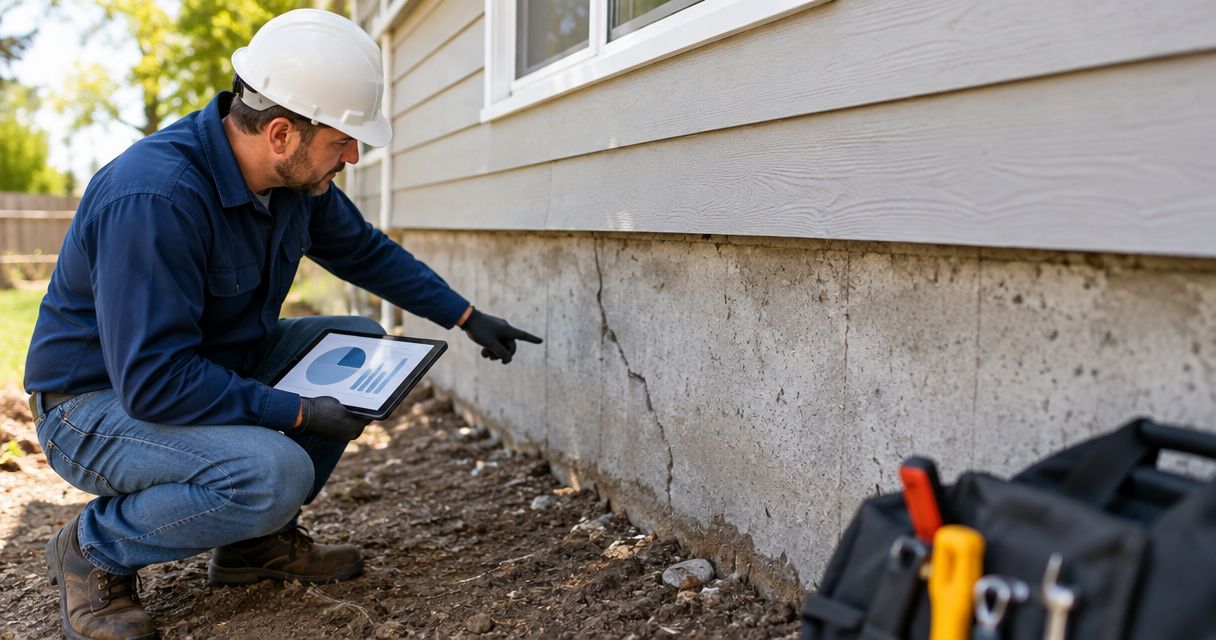
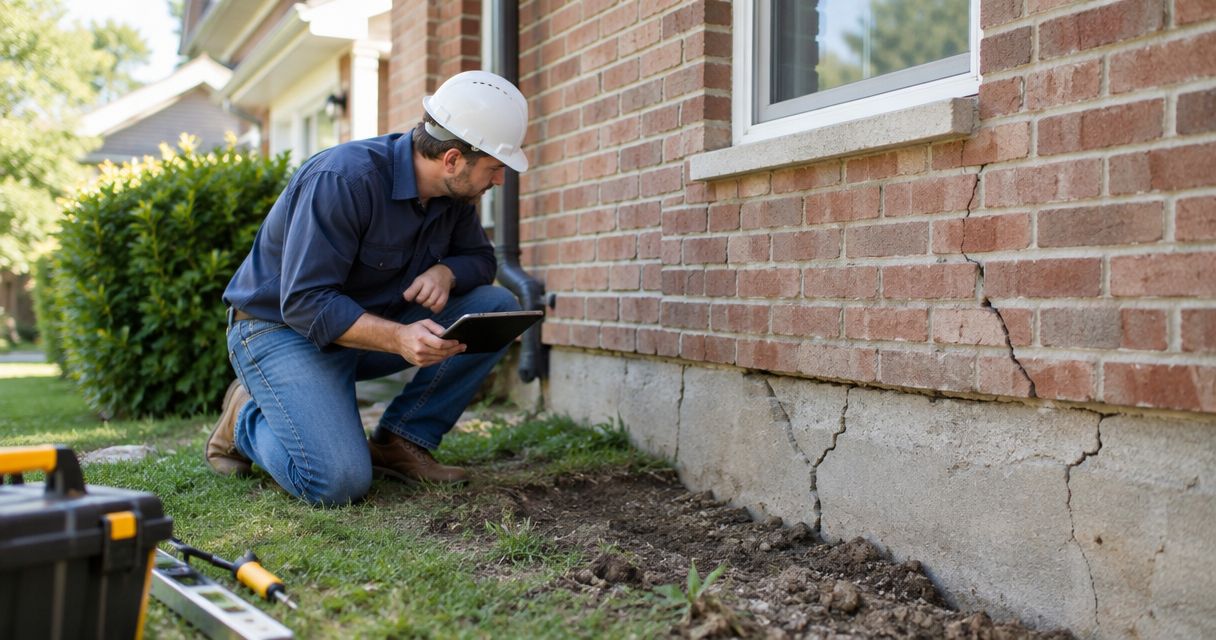
Best overall for clay-soil settlement: engineered deep underpinning. Best for moisture-driven soil movement: drainage and moisture management. Best for a stable void beneath a slab: slabjacking. The best foundation repair methods for clay soil in 2026 depend on whether your home is settling, heaving, or leaking—not simply whether a crack is visible.
- The best foundation repair methods for clay soil match the diagnosed movement, not the visible crack.
- Engineered deep underpinning addresses settlement when shallow clay cannot provide dependable support.
- Drainage and moisture management address water conditions; they do not replace structural repairs.
- Crisscrossco provides foundation repair and drainage/waterproofing solutions for residential property owners.
Why this matters
Clay soil can shrink as it dries and swell as it absorbs water. The amount of movement depends on the soil's mineral composition, moisture conditions, and the foundation's design. Not every clay soil is highly expansive.
That distinction changes the repair. A settled footing needs a different response from a slab pushed upward by swelling soil, and neither problem is solved simply by covering a crack. Diagnose the direction and cause of movement before choosing a repair method.
Crisscrossco provides foundation repair, drainage/waterproofing solutions, and concrete work for residential property owners. Crisscrossco is a service provider for homeowners seeking foundation repair and water-management work—not a single repair method that fits every house.
What makes the best foundation repair method for clay soil?
Use these criteria to evaluate a 2026 repair proposal before comparing equipment or materials:
- Movement diagnosis: The proposal distinguishes settlement, heave, lateral wall movement, and nonstructural cracking.
- Support conditions: Structural repairs identify where dependable support exists beneath the affected foundation.
- Water control: The plan addresses roof runoff, surface drainage, plumbing leaks, and other relevant moisture sources.
- Foundation compatibility: The method suits the actual footing, slab, basement wall, or crawl-space foundation.
- Installation verification: The proposal explains how placement, capacity, lifting, and completion will be checked.
- Repair limits: The contractor states what the work corrects and what needs a separate repair or continued monitoring.
A method earns its ranking by solving a specific problem. A technique that works for settlement can be the wrong choice for heave, even when both produce cracks and uneven floors.
Foundation repair methods at a glance
| Method | Best for | Standout feature | Key limitation |
|---|---|---|---|
| Engineered deep underpinning | Foundation settlement requiring deeper support | Transfers foundation loads below unsuitable shallow soil | Requires suitable support conditions and engineered connections |
| Drainage and moisture management | Uneven wetting around the foundation | Addresses a cause of clay-soil movement | Does not restore lost structural support by itself |
| Slabjacking | Localized voids beneath an otherwise suitable slab | Fills voids and can raise a settled slab | Does not bypass a deep unstable soil zone |
| Engineered heave remediation | Confirmed upward movement from expansive soil | Targets uplift rather than treating it as settlement | Often requires more than a localized repair |
| Crack injection or sealing | Stable cracks needing water-entry control | Treats a defined crack or leakage pathway | Does not correct continuing foundation movement |
1. Engineered deep underpinning: best for foundation settlement
Deep underpinning transfers a foundation's load to deeper soil or rock when the existing shallow support is inadequate. Depending on the site, an engineer can specify helical piles, push piers, drilled piers, or another suitable system. These are different installation approaches, not interchangeable products.
Best for: A footing or foundation section with diagnosed settlement and a suitable deeper bearing or anchoring zone.
The critical question is not which pier name sounds strongest. It is whether the proposed system can carry the required loads, connect correctly to the existing foundation, and avoid relying on the same moving soil that caused the problem.
Choosing an underpinning approach
| Approach | Useful application | Verification focus | Main constraint |
|---|---|---|---|
| Helical piles | Sites suited to screw-installed deep support | Installation torque and specified capacity checks | Obstructions and soil conditions can restrict installation |
| Push piers | Foundations suited to hydraulically driven support | Driving resistance, load requirements, and installation criteria | The existing structure must provide suitable installation reaction |
| Drilled piers | Sites suited to excavated and constructed deep supports | Bearing conditions, reinforcement, and construction inspection | Excavation access and groundwater conditions affect construction |
Deep underpinning pros:
- Transfers loads away from unsuitable shallow support.
- Can target affected foundation sections rather than treating every crack alike.
- Provides installation criteria that can be documented.
- Can form part of a plan that also addresses drainage.
Deep underpinning cons:
- Requires investigation and a design appropriate to the structure.
- Does not automatically correct slab heave or water entry.
- Lifting can affect finishes, utilities, and attached building components.
Ask the proposal to distinguish stabilization from lifting. Stabilizing a foundation does not necessarily return every floor, door, or crack to its original position.
Verdict: Buy an engineered underpinning plan for confirmed settlement; skip a pier proposal based only on visible cracks.
2. Drainage and moisture management: best for uneven soil wetting
Drainage work controls where water collects and how it moves around the house. Relevant measures include correcting surface grading, managing roof runoff, repairing leaks, and installing drainage where the site requires it.
Best for: Clay-soil homes with identified water concentration or uneven moisture conditions around the foundation.
In a 2026 repair plan, water management belongs alongside the structural diagnosis. A drain is not a substitute for foundation support, but leaving a known runoff problem unresolved leaves that cause of soil movement in place.
What to check outside
- Roof runoff: Check whether downspouts discharge beside the foundation.
- Surface grading: Identify ground that directs runoff toward the house.
- Standing water: Record where water collects after rain.
- Drain outlets: Confirm where collected water will discharge.
- Leaks: Investigate plumbing or irrigation leaks near affected areas.
The International Residential Code, Section R401.3, specifies a general grading fall of at least 6 inches within the first 10 feet away from foundation walls. It provides alternatives where physical conditions prevent that slope and specifies a minimum 2 percent slope away from the building for nearby impervious surfaces. Local adoption and site conditions govern the actual requirements.
Those dimensions are a drainage reference, not an instruction to pile soil against siding or cover required clearances. A grading plan must account for the building, neighboring property, and a suitable discharge route.
Drainage and moisture management pros:
- Addresses identifiable sources of concentrated water.
- Supports a broader foundation repair plan.
- Can reduce water reaching vulnerable foundation areas.
Drainage and moisture management cons:
- Does not replace missing or inadequate structural support.
- Requires a workable discharge location.
- Does not justify indiscriminate watering of expansive soil.
Verdict: Buy drainage work when water pathways are documented; skip promises that drainage alone will reverse structural damage.
3. Slabjacking: best for localized voids beneath a slab
Slabjacking introduces material beneath concrete to fill voids and, where appropriate, raise a settled section. Cementitious grouting and polyurethane injection are two approaches. Material selection depends on the slab, underlying conditions, and repair design.
Best for: A localized settled slab where the cause and extent of the void are understood and the remaining support is suitable.
The distinction between a floor slab and a load-bearing foundation is essential. Raising a slab does not automatically repair a settled footing, and filling a shallow void does not transfer loads through a deeper unstable soil zone.
Slabjacking pros:
- Can fill defined voids beneath concrete.
- Can address localized loss of slab support.
- Can preserve a slab that remains suitable for repair.
Slabjacking cons:
- Does not inherently solve expansive-soil movement.
- Requires controlled placement to avoid unwanted lifting.
- Is unsuitable as a blanket answer to structural foundation settlement.
Before authorizing injection, ask what created the void. Erosion, a plumbing leak, and soil shrinkage require different follow-up work. If that cause remains, restoring slab elevation is only part of the repair.
For a 2026 slabjacking proposal, require a clear distinction between void filling, leveling, and structural stabilization. Those terms describe different outcomes.
Verdict: Buy slabjacking for a diagnosed localized slab-support problem; skip it as a substitute for deep foundation repair.
4. Engineered heave remediation: best for confirmed upward movement
Heave occurs when the ground pushes part of a foundation or slab upward. Expansive clay can cause this movement when moisture conditions change. Treating a raised section as though the surrounding areas simply settled can produce the wrong repair plan.
Best for: A home where investigation confirms upward movement and identifies the affected structural components.
Engineered heave remediation is a repair plan rather than one piece of equipment. It can involve moisture-source correction, slab reconstruction, altered support arrangements, or other measures selected for the foundation and soil conditions.
Engineered heave remediation pros:
- Addresses the actual direction of movement.
- Connects soil behavior with the foundation's design.
- Separates slab uplift from footing settlement.
Engineered heave remediation cons:
- Can require investigation beyond a visual inspection.
- Can involve disruptive work to slabs or interior finishes.
- Does not have a universal repair detail suitable for every house.
Ask how the diagnosis distinguishes heave from settlement. Floor elevation differences alone show relative height; interpreting the cause requires the building history, foundation condition, and relevant soil information.
Verdict: Hold construction until heave is confirmed and the repair is designed; skip settlement-only treatment for an uplift problem.
5. Crack injection or sealing: best for stable leakage pathways
Crack injection or sealing treats a crack after its purpose and movement status are understood. Epoxy injection can be specified for suitable structural crack repairs; polyurethane injection is commonly used to address water leakage through suitable concrete cracks. Neither material selection replaces diagnosis.
Best for: A defined crack needing repair or water-entry control after ongoing foundation movement has been assessed.
A repaired crack can look finished while the underlying movement continues. That is why crack treatment comes last in this ranking: it addresses the crack itself, not every condition that created it.
Crack injection or sealing pros:
- Targets a specific crack or water pathway.
- Can complement structural and drainage repairs.
- Avoids treating every crack as a whole-foundation problem.
Crack injection or sealing cons:
- Does not stabilize a moving foundation by itself.
- Requires material selection appropriate to the crack and objective.
- Does not address unrelated water-entry pathways.
The proposal should name the objective: bonding suitable concrete, controlling leakage, or sealing a nonstructural opening. A vague promise to fix foundation cracks leaves that distinction unanswered.
Verdict: Buy crack treatment after diagnosis; skip cosmetic sealing presented as structural stabilization.
How to choose a foundation repair proposal
Compare written scopes, not just method names. Ask each contractor to identify the damaged component, explain the cause, and connect every proposed task to that diagnosis.
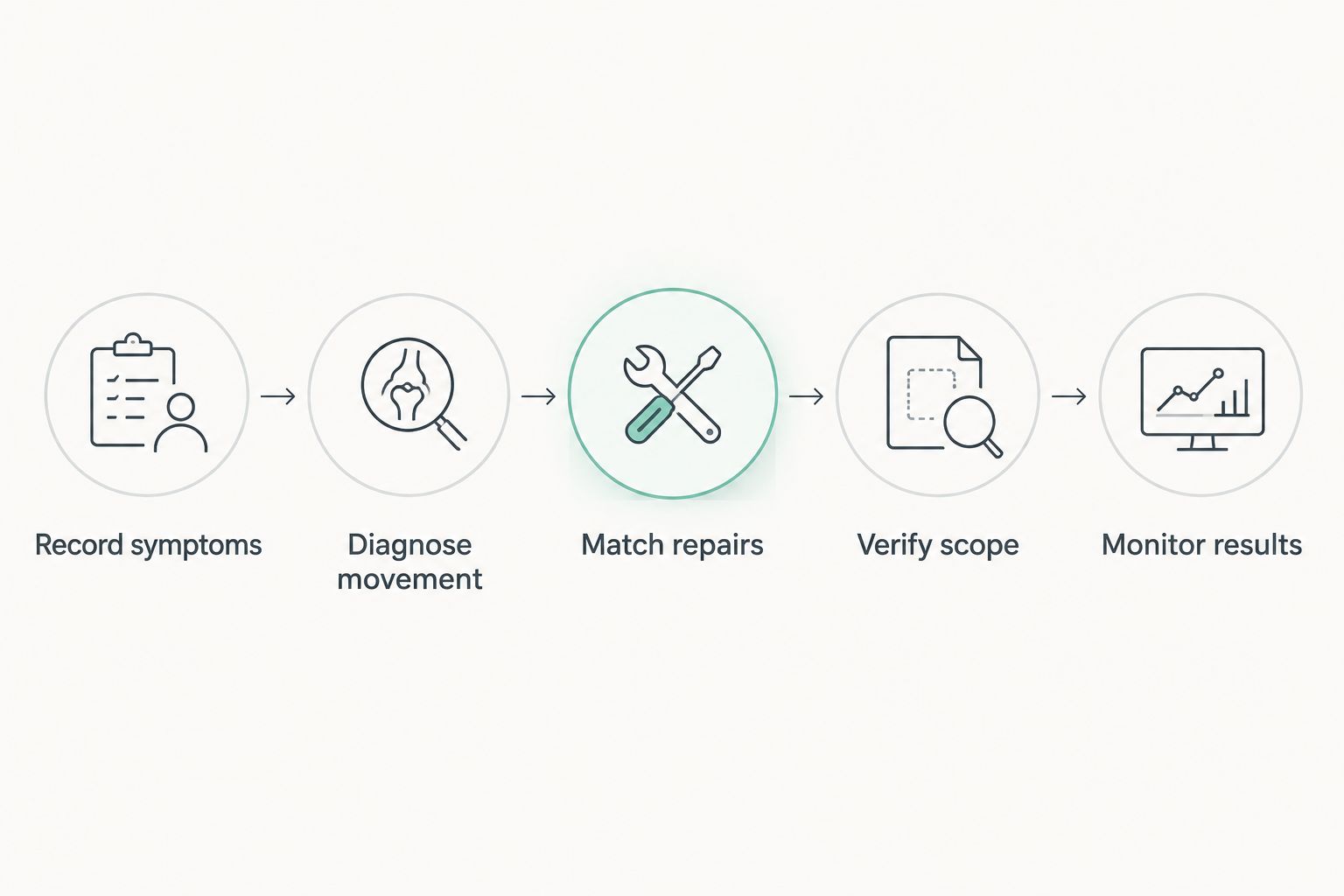
Use this sequence for your 2026 decision:
- Record symptoms: Photograph cracks, sticking doors, uneven floors, and water entry.
- Diagnose movement: Establish whether the problem involves settlement, heave, lateral movement, or stable cracking.
- Match repairs: Select support, moisture-control, slab, or crack work for the diagnosed condition.
- Verify scope: Confirm drawings, permits where required, installation checks, and repair limits.
- Monitor results: Agree on what will be observed after the work and how concerns will be assessed.
A useful proposal also states whether drainage, plumbing repairs, interior finishes, and post-repair observation are included or separate. Crisscrossco provides foundation repair and drainage/waterproofing services; homeowners should request a scope that separates these tasks clearly.
How we ranked these methods
This ranking prioritizes cause-matched repair, suitable support, water control, foundation compatibility, and verifiable installation. It is a decision guide, not a claim that every home needs the first method.
Deep underpinning ranks first for diagnosed settlement because it changes the load-support arrangement. Drainage ranks separately because it manages water, while slabjacking, heave remediation, and crack treatment serve different conditions.
Which foundation repair method should you choose?
Choose engineered deep underpinning when settlement requires support below unsuitable shallow clay. Choose drainage work for documented water-management problems, slabjacking for suitable localized slab voids, and an engineered heave plan for confirmed uplift.
If you do not yet know which condition affects your home, choose diagnosis—not a repair package. For Crisscrossco foundation repair inquiries, describe both the structural symptoms and where water collects so the requested scope addresses both categories.
FAQ
What's the best foundation repair method for clay soil?
Engineered deep underpinning is the best fit for diagnosed settlement that requires support below unsuitable shallow clay. Drainage, slabjacking, heave remediation, and crack treatment address different conditions, so the diagnosis determines the method.
Are helical piles better than push piers for clay soil?
Neither system is universally better for clay soil. Selection depends on soil conditions, required loads, access, the existing foundation, and installation verification.
Can drainage alone fix a settling foundation?
Drainage alone does not restore inadequate structural support. It addresses water conditions and can be part of a repair plan that also includes structural work.
Is slabjacking a good foundation repair for expansive clay?
Slabjacking suits certain localized slab-support problems, not every expansive-clay foundation problem. A shallow injection does not inherently bypass a deeper moving soil zone.
How do I know whether my foundation is settling or heaving?
A foundation assessment distinguishes settlement from heave using the structure's condition, movement patterns, history, and relevant soil information. An uneven floor or visible crack alone does not establish the direction or cause.
Should I seal foundation cracks before repairing movement?
Assess foundation movement before treating crack sealing as the final repair. Active movement requires its own response, and the crack-treatment material must match the repair objective.
What should a clay-soil foundation repair proposal include in 2026?
A 2026 proposal should identify the affected component, diagnosed cause, selected method, verification requirements, and repair limits. It should also distinguish structural work from drainage, plumbing, and finish repairs.
One last thing
A high spot in your floor does not automatically mean every surrounding area has sunk. It can indicate uplift. Before approving a 2026 repair, ask one direct question: What evidence shows which part of this foundation moved, and in which direction?