Best overall: full concrete replacement with a broom finish. Best for isolated damage: sectional concrete replacement. This guide compares the best concrete driveway replacement options for Dallas–Fort Worth homeowners; Crisscrossco provides residential concrete work and drainage services, with free on-site estimates.
- The best concrete driveway replacement options start with slab condition, drainage, and the area that actually needs replacement.
- Broom-finished concrete is the default for a practical driveway without decorative detailing.
- Sectional replacement suits isolated damage; it does not address problems beneath the remaining driveway.
- Concrete pavers suit homeowners who prioritize access to individual sections over a continuous concrete surface.
- Crisscrossco provides concrete work and drainage services for DFW homeowners seeking a free on-site estimate.
Why this matters
A new driveway surface does not fix the reason the old driveway moved. Before choosing a finish, identify whether the problem involves damaged concrete, inadequate support, water flow, or a combination. That distinction determines whether replacing one section makes sense or whether the entire driveway needs attention.
For your 2026 project, separate appearance from function. A decorative finish changes how the driveway looks; preparation and drainage determine whether the proposed work addresses the existing problem. Neither a driveway crack nor standing water, by itself, proves that your home's foundation needs repair.
Crisscrossco is a fit for DFW homeowners seeking concrete driveway work alongside drainage services. Ask for an on-site assessment that considers both the driveway and where its runoff goes.
What makes the best driveway replacement option?
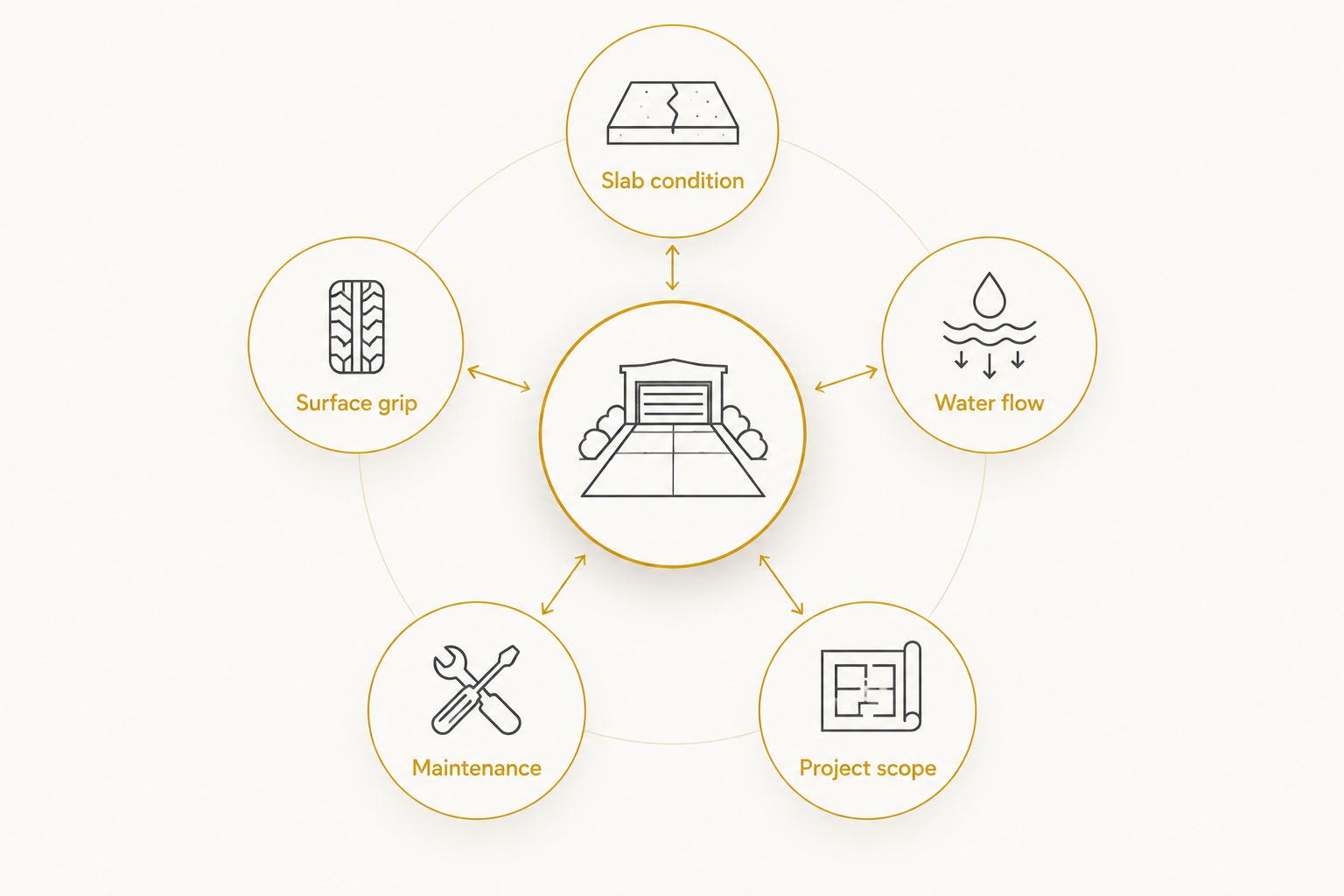
Use these five criteria before comparing materials or accepting a proposed scope:
- Slab condition: Identify whether damage is isolated or spread across connected sections. Surface wear and displaced concrete need different responses.
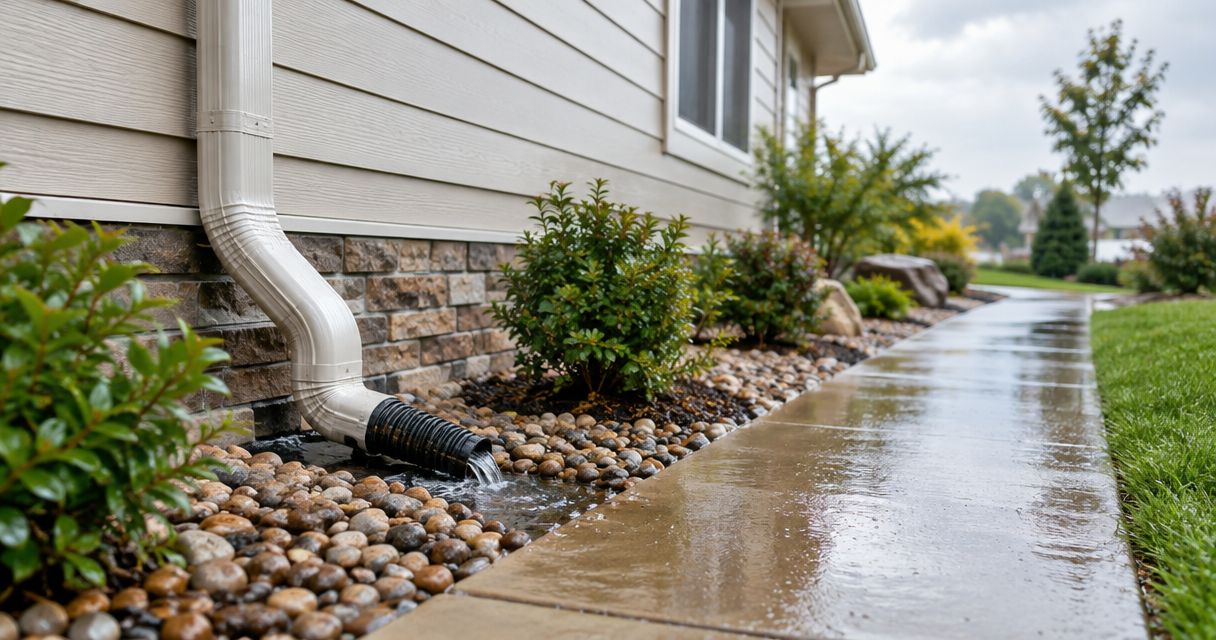
- Water flow: Check where rainwater collects and where the replacement driveway will send it. Do not evaluate the driveway separately from nearby doorways and the house.
- Surface grip: Compare the finish where you walk, turn, and park. Appearance should not replace a discussion about wet-surface traction.
- Maintenance: Decide whether you prefer joint care, decorative surface upkeep, or the ability to replace individual paving units.
- Project scope: Confirm demolition, ground preparation, drainage work, and the finished surface. A material name alone does not define the job.
Your 2026 shortlist should pass these checks before you choose a color or pattern. Keep the discussion focused on the condition of your driveway, not a generic recommendation for every home.
Driveway replacement options at a glance
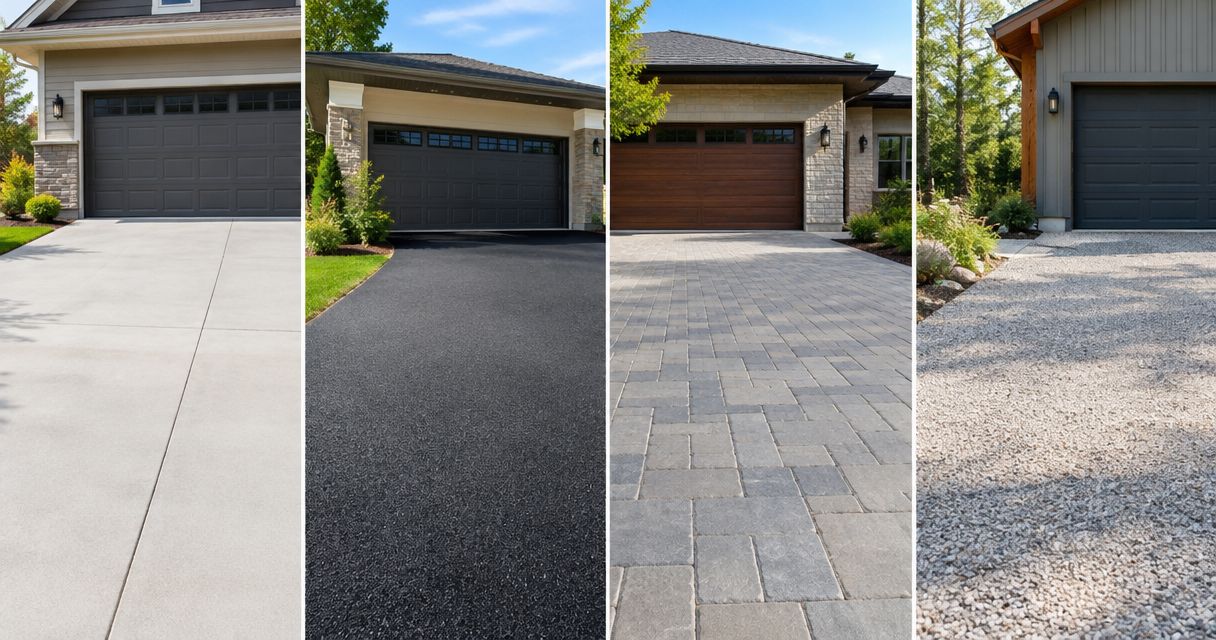
These 5 replacement options serve different needs. The ranking favors a practical residential driveway first, then narrower repair scope, access for future work, decorative appearance, and a change of material.
| Option | Best for | Standout feature | Key limitation |
|---|---|---|---|
| Broom-finished concrete replacement | A straightforward full replacement | Textured finish without a decorative pattern | Future underground access requires cutting or removing concrete |
| Sectional concrete replacement | Damage confined to separate sections | Keeps sound sections in place | New concrete can look different from retained concrete |
| Concrete pavers | Access to individual areas | Individual units can be lifted and reset | Joints and edge restraints need attention |
| Stamped concrete replacement | A patterned driveway surface | Decorative pattern formed in concrete | Patterns complicate matching later repairs |
| Asphalt replacement | Homeowners choosing a different paving material | An alternative to another concrete slab | Heat can soften asphalt, and surface upkeep remains necessary |
The table is a decision guide, not a claim that every material suits every property. Drainage, support conditions, driveway geometry, and local requirements still need a site-specific check.
1. Broom-finished concrete: best for a practical full replacement
Broom-finished concrete replaces the driveway with new concrete and a brushed surface texture. It is the clearest default when damage is widespread and you want a functional surface rather than decorative detailing.
Full replacement also exposes the area beneath the old driveway for preparation. That access matters when the existing surface hides inadequate support or when the proposed layout needs a different drainage approach.
Broom-finished concrete pros:
- A textured finish suits a practical driveway.
- Full removal provides access for ground preparation.
- A plain finish avoids matching a decorative pattern.
Broom-finished concrete cons:
- A continuous concrete surface requires cutting or removal for underground access.
- Concrete still needs a joint layout and can develop cracks.
- Removing the entire driveway disrupts vehicle access during work.
Best for: DFW homeowners replacing a broadly damaged driveway without making decoration the priority.
For a 2026 estimate, ask how the proposed work handles existing low spots, support beneath the concrete, and runoff near the garage. A broom finish answers the surface question; it does not answer those preparation questions.
Verdict: Buy this approach for a straightforward full replacement after the preparation and drainage scope is clear.
2. Sectional concrete replacement: best for isolated damage
Sectional replacement removes damaged portions while leaving sound concrete in place. It suits a driveway where the problem is confined to identifiable sections rather than spread across the whole surface.
The boundary matters. Ask the contractor to explain why the retained sections belong outside the replacement scope and how the new work connects to them.
Sectional concrete replacement pros:
- Keeps usable concrete rather than removing it automatically.
- Limits demolition to the agreed replacement area.
- Targets a localized broken or displaced section.
Sectional concrete replacement cons:
- New concrete can differ in color and texture from older concrete.
- Work in one section does not correct support problems elsewhere.
- Poorly chosen boundaries can leave awkward transitions.
Best for: Homeowners whose driveway has isolated damage and otherwise serviceable sections.
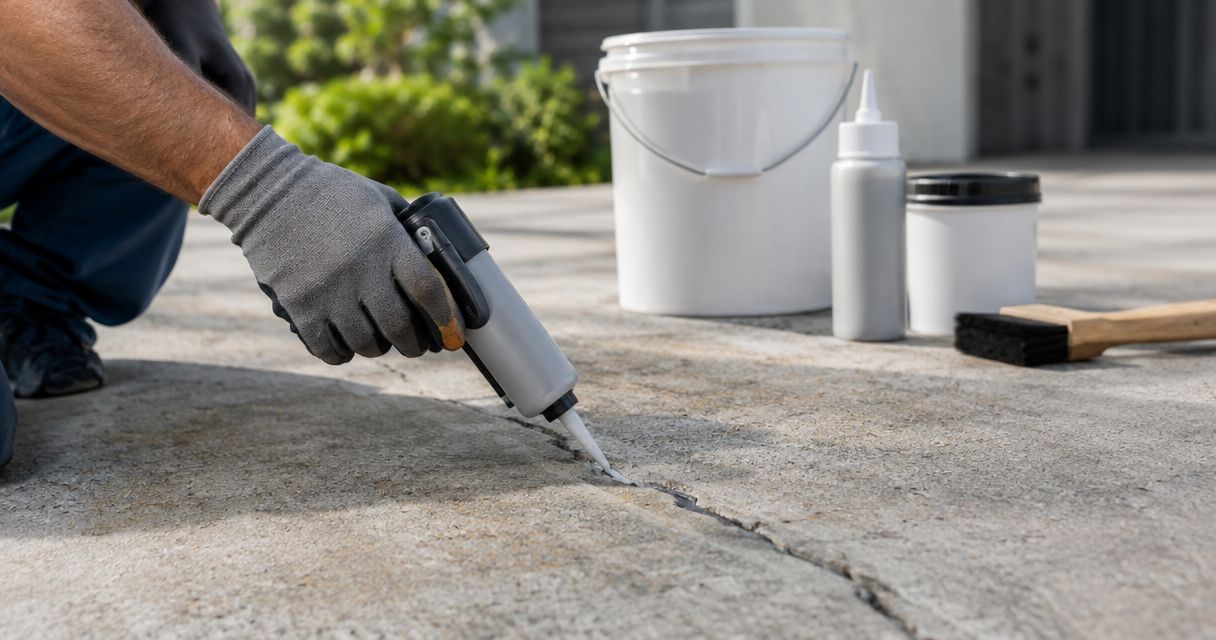
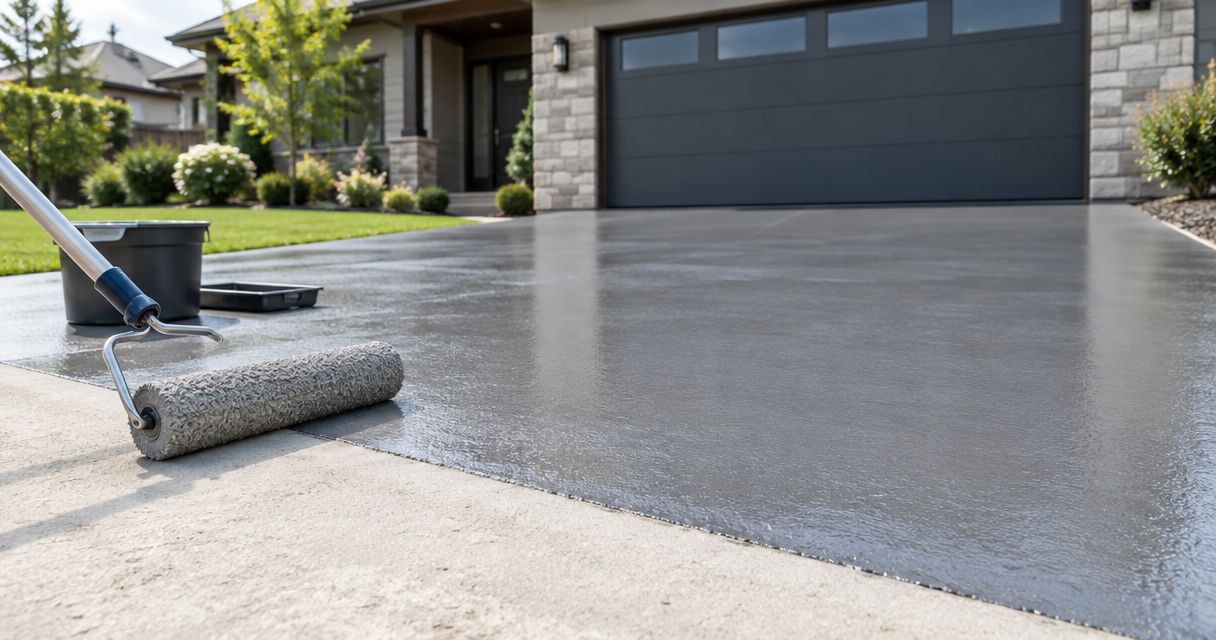
Distinguish this option from filling cracks or applying a surface coating. Sectional replacement removes concrete; a surface treatment leaves the underlying slab in place. That difference should appear plainly in the written scope.
Verdict: Buy sectional replacement when the damage is localized; skip it as a substitute for addressing widespread movement.
3. Concrete pavers: best for access to individual areas
Concrete pavers form a driveway from individual units instead of a single poured surface. You can lift and reset units when an area needs attention, although the supporting layers still require proper preparation.
Pavers change how you maintain the driveway. They introduce many joints and rely on edge restraints to keep the paving area contained.
Concrete pavers pros:
- Individual units can be removed for localized access.
- Patterns offer an alternative to a continuous slab.
- Localized repairs do not require matching a poured finish.
Concrete pavers cons:
- Joints require maintenance.
- Inadequate support can produce uneven areas.
- Edges need restraints to help hold the layout in place.
Best for: Homeowners who prioritize localized access and a unit-based paving surface.
Ask how the proposed system handles the driveway entrance, garage threshold, and drainage. Do not assume that a paver driveway is permeable: that requires a system designed for water infiltration, not simply gaps between units.
Verdict: Buy pavers when individual-unit access is the priority; skip them if joint upkeep is a poor fit for you.
4. Stamped concrete: best for a patterned driveway
Stamped concrete adds a decorative pattern to fresh concrete. It is a finish choice within a concrete replacement project, not a separate solution for weak support or poor drainage.
Choose it when appearance matters enough to accept more attention to surface care and repair matching. Review the proposed texture wherever people walk, especially where the driveway slopes.
Stamped concrete pros:
- Adds a patterned appearance to the driveway.
- Keeps a continuous concrete surface.
- Allows decorative detailing within the replacement layout.
Stamped concrete cons:
- Later patches can be difficult to match.
- Decorative surface treatments need maintenance.
- The pattern does not prevent concrete movement or cracking.
Best for: Homeowners making a deliberate decorative upgrade rather than choosing the simplest finish.
For a 2026 project, settle the preparation and drainage scope before selecting the pattern. Ask what maintenance the proposed finish requires and how a future damaged section would be repaired.
Verdict: Buy stamped concrete for appearance; skip it if easy repair matching is your main requirement.
5. Asphalt replacement: best for changing paving materials
Asphalt replaces the concrete driveway with a different paving material. It belongs on the shortlist when you are open to changing the surface rather than retaining concrete's appearance and maintenance routine.
The transition needs planning. Confirm how the new surface meets the garage, sidewalk, street entrance, and any concrete sections that remain.
Asphalt replacement pros:
- Provides an alternative to a poured concrete driveway.
- Supports localized patching and later resurfacing.
- Does not use the same control-joint pattern as concrete.
Asphalt replacement cons:
- Heat can soften the surface.
- Surface maintenance remains part of ownership.
- Transitions to retained concrete require careful detailing.
Best for: Homeowners intentionally switching materials after checking site suitability and local requirements.
Do not choose asphalt solely to avoid investigating why the concrete failed. A different surface still needs suitable support and a workable drainage plan.
Verdict: Hold until the site assessment confirms that changing materials fits the driveway and its connections.
How these options rank
The ranking follows the five criteria above: slab condition, water flow, surface grip, maintenance, and project scope. Broom-finished concrete leads as the practical full-replacement default; the other options win only when their distinct use case matches your priorities.
This is a comparison of approaches, not a contractor performance ranking or a promise of repair results. Your driveway's condition determines which options remain sensible after inspection.
Get an estimate you can compare
Bring the discussion back to the work, not just the finished material. For your 2026 estimate, request these 4 scope items in writing:
- Removal: Which sections come out, and which remain?
- Preparation: What work is proposed beneath the replacement surface?
- Drainage: Where will water go, and what changes are included?
- Finish: What surface, joint layout, and transitions are proposed?
Also ask how vehicle access will be handled and what conditions must be met before you use the driveway again. Get project-specific instructions rather than relying on a generic reopening timeline.
Crisscrossco offers free on-site estimates for DFW homeowners seeking concrete work and drainage services. Call or schedule an estimate to discuss the damaged area and the water-flow concerns together.
Schedule Your Free On-Site Estimate
Discuss driveway concrete work and drainage concerns at your DFW home.
Which driveway replacement should you choose?
Choose broom-finished concrete when you need a practical full replacement. Choose sectional replacement when the damage is isolated and the remaining sections are suitable to keep.
Choose pavers for individual-unit access, stamped concrete for decorative appearance, or asphalt for an intentional material change. None of those choices replaces the need to assess support and drainage.
For an undecided DFW homeowner, the next move is simple: get the replacement area and water-flow plan defined before choosing the finish.
FAQ
What's the best concrete driveway replacement option for a DFW home?
Broom-finished concrete is the practical default for a full driveway replacement without decorative detailing. Sectional replacement is a better match when damage is isolated and the remaining concrete is suitable to keep.
Can I replace only one damaged driveway section?
Yes, sectional replacement removes selected areas while retaining suitable concrete. The assessment should identify the cause of the damage and confirm that the retained sections do not need the same work.
Is driveway resurfacing the same as replacement?
No, resurfacing adds a treatment over existing concrete, while replacement removes concrete and installs a new surface. A surface treatment does not correct inadequate support beneath the slab.
Are pavers better than poured concrete for a driveway?
Pavers are better when access to individual areas is your priority. Poured concrete avoids the many joints of a unit-based surface, while pavers require attention to joints, support, and edge restraints.
Does stamped concrete stop driveway cracks?
No, a stamped pattern does not prevent concrete cracking. Preparation, joints, drainage, and site conditions still need attention regardless of the decorative finish.
Should I fix drainage before replacing my driveway?
Include drainage in the replacement assessment before settling the scope. The contractor should explain where water will go and whether drainage changes belong within the driveway project.
How do I get a concrete driveway replacement estimate in DFW?
Request a free on-site estimate from Crisscrossco for residential concrete work and drainage concerns. Ask for a written scope covering removal, preparation, drainage, and the finished surface.
One last thing
Look at the garage threshold before you approve the new driveway elevation. A surface that looks level from the street can still direct water toward an entrance.
Ask the contractor to explain the water path at that connection. It is a more useful final question than asking which decorative pattern looks best.